Intracoastal vs Oceanfront Living in Boca Raton
November 21, 2025
November 21, 2025
Craving sunrise over the Atlantic or a yacht at your back dock? In Boca Raton, both oceanfront and intracoastal living deliver a signature South Florida lifestyle, yet they feel very different day to day. If you are weighing which shoreline fits your routine, your boat, and your long-term plans, you are not alone. In this guide, you will learn the key trade-offs in boating access, exposure and erosion, insurance and maintenance, privacy, and resale so you can move forward with confidence. Let’s dive in.
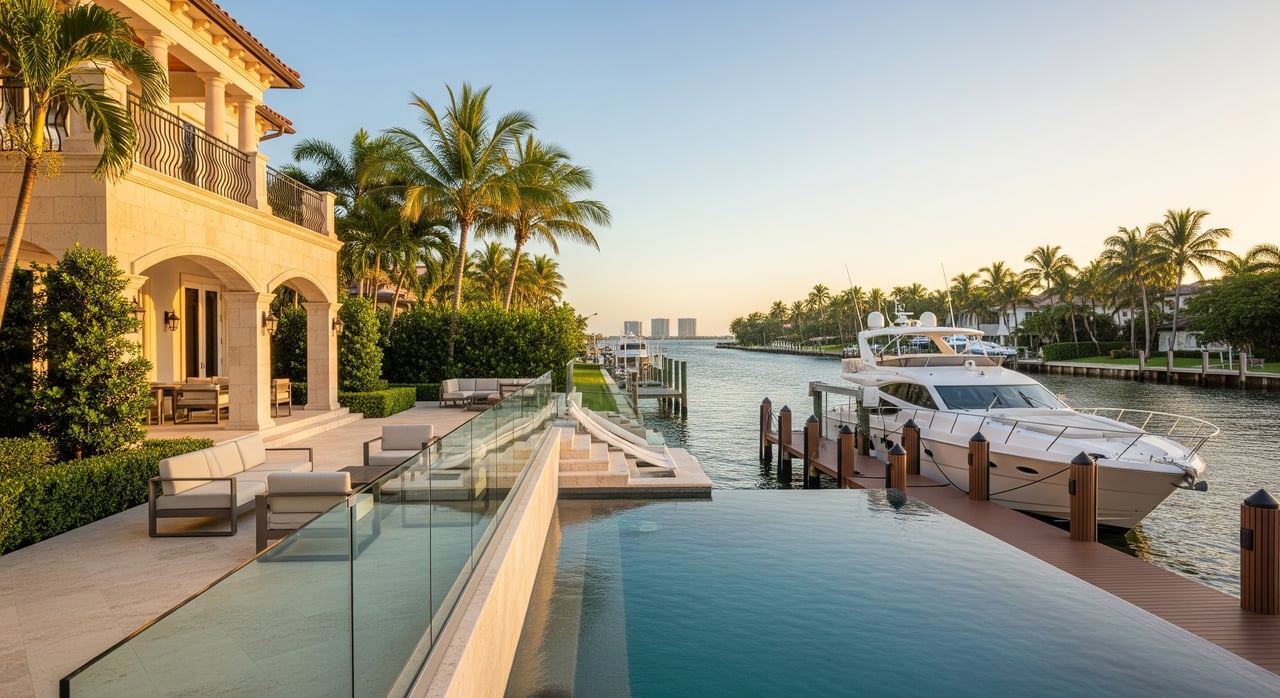
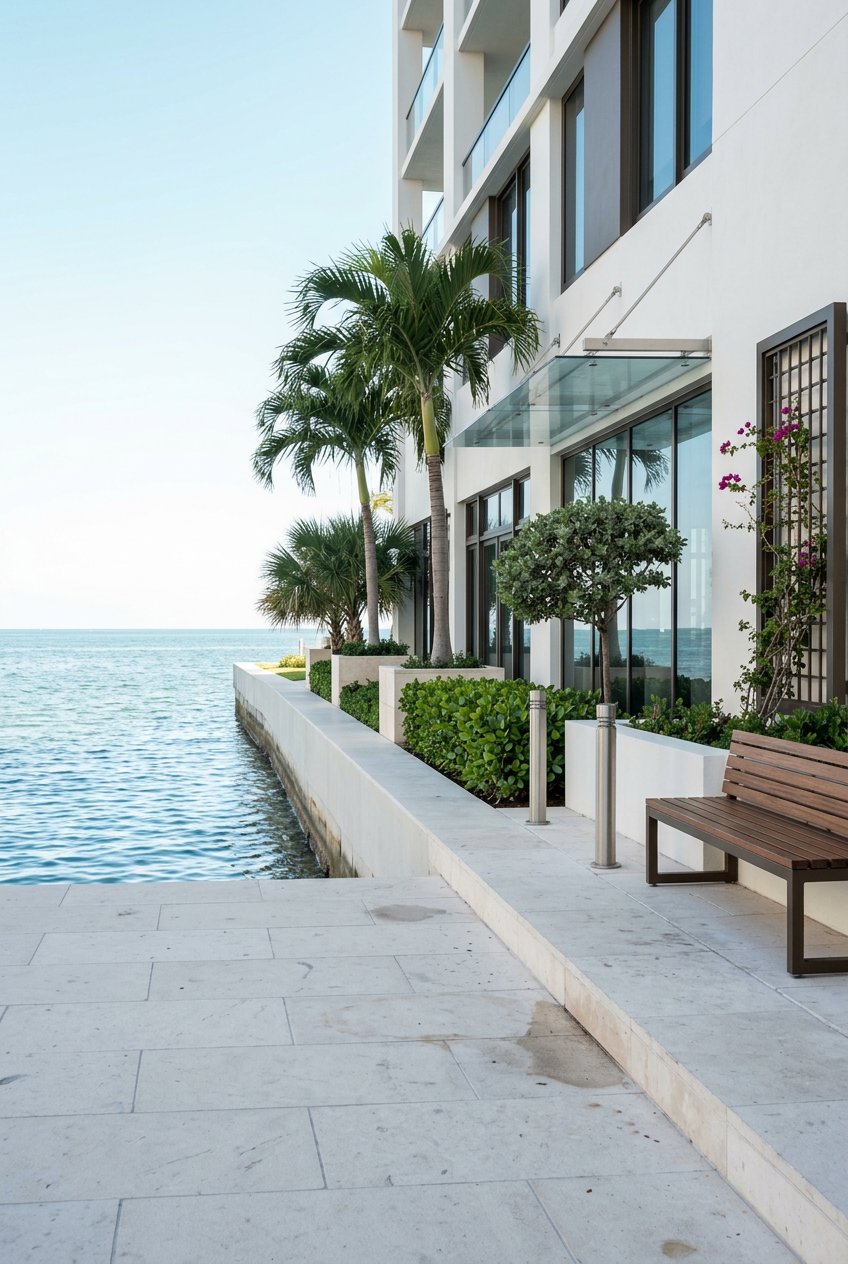
Boca Raton offers two primary waterfront experiences. Oceanfront properties sit on the barrier island with direct Atlantic views and beach access. Intracoastal properties line the Atlantic Intracoastal Waterway and connected canals, with protected boating and marina access.
Local planning and resilience programs in Palm Beach County and the City of Boca Raton address sea level rise, dune systems, beach nourishment, and seawalls. These initiatives shape long-term ownership on both shorelines and are worth considering during due diligence.
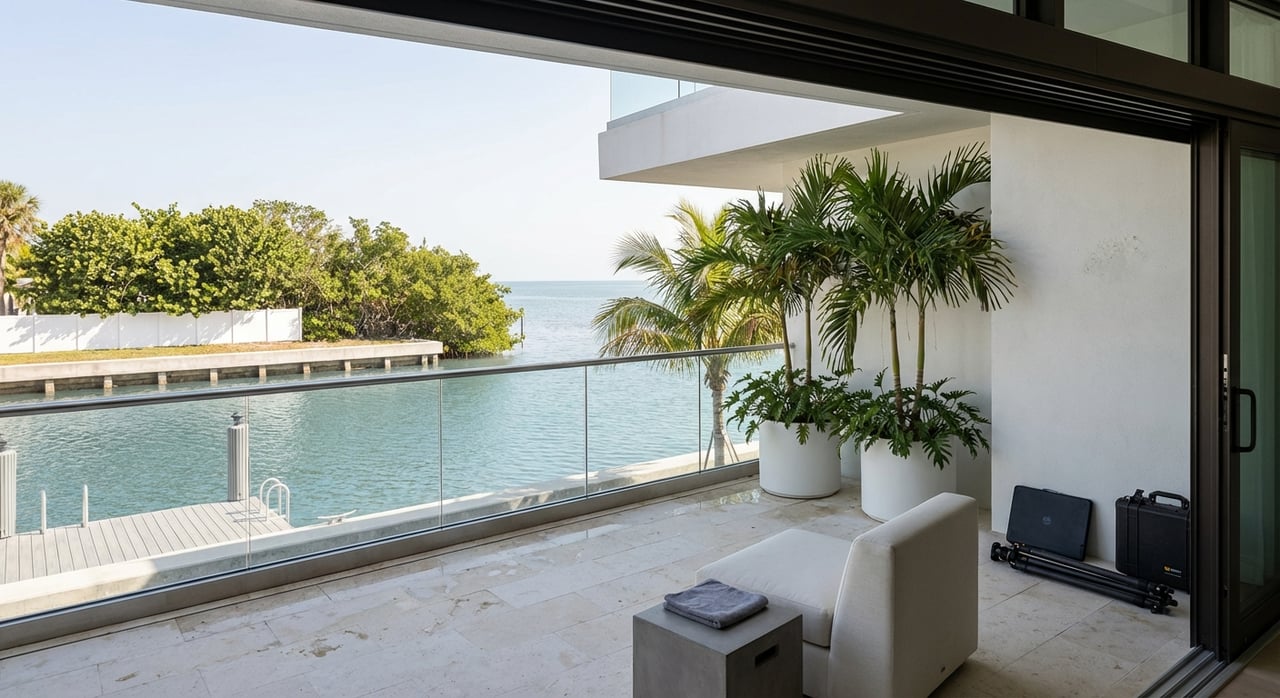
If you plan to use your boat frequently, intracoastal living typically offers calmer, protected waters that suit powerboats and many larger yachts. You get easier year-round docking, side-channel access to marinas, and comfortable downcoast cruising without running offshore. For many owners, this means more spontaneous use and less weather risk.
Oceanfront estates deliver instant Atlantic views and proximity to the open ocean. Direct deepwater slips on single-family oceanfront parcels are less common. Most routes still require crossing an inlet or navigating outside the barrier island. This setup is ideal if you prioritize immediate ocean conditions for fishing or long-range cruising.
Before you buy, confirm practical details that affect daily use:
Oceanfront parcels experience higher wave energy, surf, and direct storm surge exposure. Dunes and beach nourishment projects are key lines of defense. During major storms, oceanfront lots can see faster shoreline change and more dynamic beach profiles.
Intracoastal shorelines are generally calmer but still feel wakes from passing vessels. Low-lying areas can flood during surge events, and localized shoreline erosion can occur, especially along busy boating corridors. Elevation and seawall condition are important factors.
The Atlantic side offers clear, sand-bottom water for swimming and beach walks. Surf and rip currents can present swimming risks at times. Public beach access rules apply along much of the coast, and lighting on oceanfront properties may be regulated to protect sea turtles during nesting season.
Intracoastal waters are well suited to kayaking, paddleboarding, and fishing. Water clarity varies with tides, inlets, boat traffic, and runoff. Local agencies monitor conditions and may issue advisories that affect recreational use.
Oceanfront living often means panoramic views and direct beach access. In popular stretches with public access, you may see more pedestrian activity and events, which can reduce privacy. Intracoastal properties feel more sheltered, with mature landscaping, docks, and marinas shaping the view. Boat traffic and neighboring vessels can add energy or activity near the shoreline.
Waterfront improvements typically involve multiple jurisdictions. Docks, seawalls, dredging, and coastal construction may require permits from the City of Boca Raton, Palm Beach County Environmental Resources Management, the Florida Department of Environmental Protection, and the U.S. Army Corps of Engineers. Plan for lead time, documentation, and potential mitigation.
Manatee zones, sea turtle nesting, and protected habitats can create seasonal restrictions. Expect potential lighting rules on oceanfront properties, limits on beach access during nesting periods, and permits for mangrove trimming or shoreline modification along intracoastal margins.
Luxury condominiums and gated communities often have detailed rules for docks, slip assignments, vessel size, and guest access. Review association documents carefully so your boating lifestyle and renovation plans align with community standards.
Most waterfront addresses sit in special flood hazard areas on FEMA maps. Flood zone type, Base Flood Elevation, and your property’s actual elevation influence insurance costs and design requirements. An elevation certificate is essential for accurate quoting and planning.
Both shorelines require strong wind and flood coverage. Oceanfront properties often carry higher wind and flood premiums due to direct exposure. Insurers may require hurricane deductibles or windstorm-only policies, and underwriting can be more stringent for ocean-exposed structures.
Lenders usually require flood insurance when a property is in a mapped flood zone. For condos, reserve studies, claim history, and litigation can affect financing. Work with your lender early to confirm requirements and timelines.
Expect accelerated corrosion from salt spray and a heavier focus on coastal-grade materials. Some owners face dune and beach maintenance, periodic nourishment assessments, and the need for pilings or elevated foundations. Impact-rated glazing and robust roof systems are common in new or renovated oceanfront builds.
Seawalls and docks require periodic inspection, repair, and eventual replacement. Wake-related erosion and boat wear can add maintenance over time. Confirm who owns the seawall and how costs are shared if you are part of an association.
Florida Building Code sets strong wind and flood standards. New construction and major renovations may require elevation, impact-rated openings, and specific foundation types. For older luxury homes, retrofit costs such as roof strengthening, flood vents, or structure elevation can be significant.
Oceanfront homes and condos typically command higher prices per square foot and deliver iconic appeal with front-row views. Intracoastal estates can rival that value when they offer deeded deepwater slips, larger lots, and strong privacy. Your buyer pool expands or narrows based on which features you maximize.
Luxury oceanfront condos provide premium views and fewer direct maintenance responsibilities for common elements, though HOAs may carry substantial insurance and reserves and can levy special assessments after storms. Intracoastal condos and estate communities offer slips and marina access with rules that vary by association, including dredging responsibilities and vessel limits.
Boca Raton communities often have rental restrictions, including limits on short-term rentals. Oceanfront areas with higher tourism demand can attract strong interest, yet may face stricter rules. Always confirm city ordinances and association declarations before you plan for rental income.
If you plan to hold long term, consider sea level projections, local seawall programs, and beach renourishment schedules. If your horizon is shorter, you may prioritize views, slips, and lifestyle features that support near-term enjoyment and saleability.
Use this checklist to align lifestyle goals with technical and financial diligence:
Choose oceanfront if you want a front-row Atlantic panorama, daily beach access, and the prestige of direct ocean exposure, and you accept higher exposure and maintenance. Choose intracoastal if you value protected docking, frequent boating, privacy, and a quieter shoreline feel, with ongoing seawall and dock stewardship. Many Boca Raton buyers tour both to experience the contrast in light, sound, and movement across a full day.
If you want a tailored shortlist, a dock and depth analysis for your vessel, and clarity on insurance and association rules, our couple-led team can help you compare options and negotiate with confidence. Connect with John Wilson to schedule a private consultation.
Stay up to date on the latest real estate trends.
Experience a bespoke real estate partnership where every detail is considered and every goal prioritized. Working with us means more than a transaction. It’s an elevated journey defined by discretion, expertise, and results tailored to you