Palm Beach Oceanfront Estates Buyer’s Guide
May 7, 2026
May 7, 2026
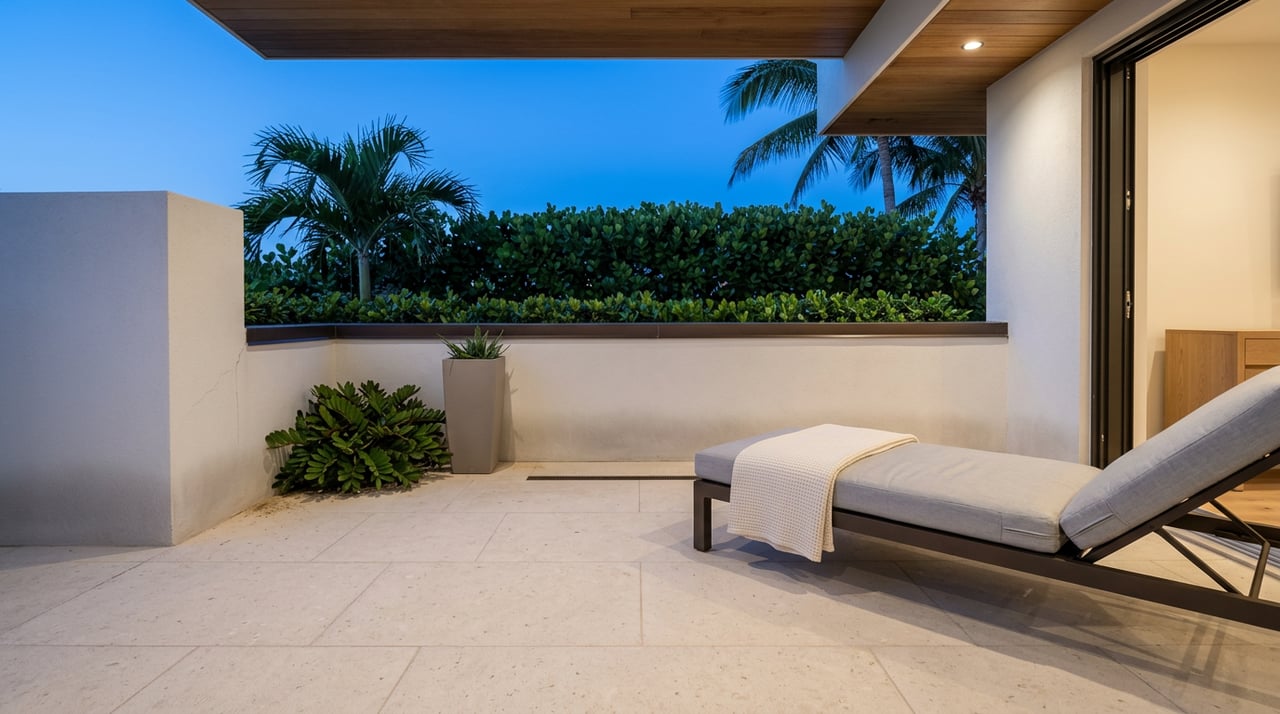
Palm Beach oceanfront living looks effortless from the terrace, but buying the right estate is rarely simple. On this stretch of coastline, your experience is shaped not only by architecture and views, but by flood maps, shoreline management, access points, and the exact limits of the parcel itself. This guide will help you focus on the details that matter most so you can evaluate a Palm Beach oceanfront property with more clarity and confidence. Let’s dive in.
In Palm Beach, the land often tells you as much as the house. The Town of Palm Beach notes that it has more than 12 miles of beachfront, and both the town and county actively manage shoreline protection, flood mitigation, and beach access. That means the beach in front of a home is part of an active coastal system, not a static backdrop.
For you as a buyer, that changes the process. Two homes that look similar online may offer very different long-term ownership experiences based on flood exposure, access patterns, privacy, and future improvement limits. In many cases, the smarter question is not just “Do I love this house?” but “How does this site perform over time?”
Palm Beach County says updated FEMA flood maps became effective on December 20, 2024, and added thousands more eastern parcels to high-risk flood zones. The county also states that all county residents live in a flood zone and that windstorm insurance does not cover flood damage. For oceanfront buyers, flood diligence is essential from day one.
The Town of Palm Beach publishes flood insurance rate maps and a flood zone determination system, which makes it easier to verify a specific parcel. You should ask for the exact FEMA flood zone, the elevation certificate, base flood elevation, and finished floor elevation. If you plan to renovate later, you should also ask whether future work could trigger substantial-improvement rules.
The town is also a FEMA NFIP CRS Class 6 community, which the town says can provide a 20% NFIP premium discount for eligible policyholders. That can be meaningful, but it does not replace parcel-specific review. A home one block away may have a different elevation profile, flood designation, and insurance picture.
If a property falls in a coastal high-hazard V zone, the construction rules become more restrictive. FEMA guidance says buildings in these areas must be anchored to resist both wind and water loads. FEMA also provides separate guidance for breakaway walls and clear space requirements below elevated coastal buildings.
This matters whether you are buying a move-in-ready estate or a home you plan to improve over time. If the house is in a V zone, details that seem technical on paper can influence renovation scope, insurance considerations, and future maintenance decisions.
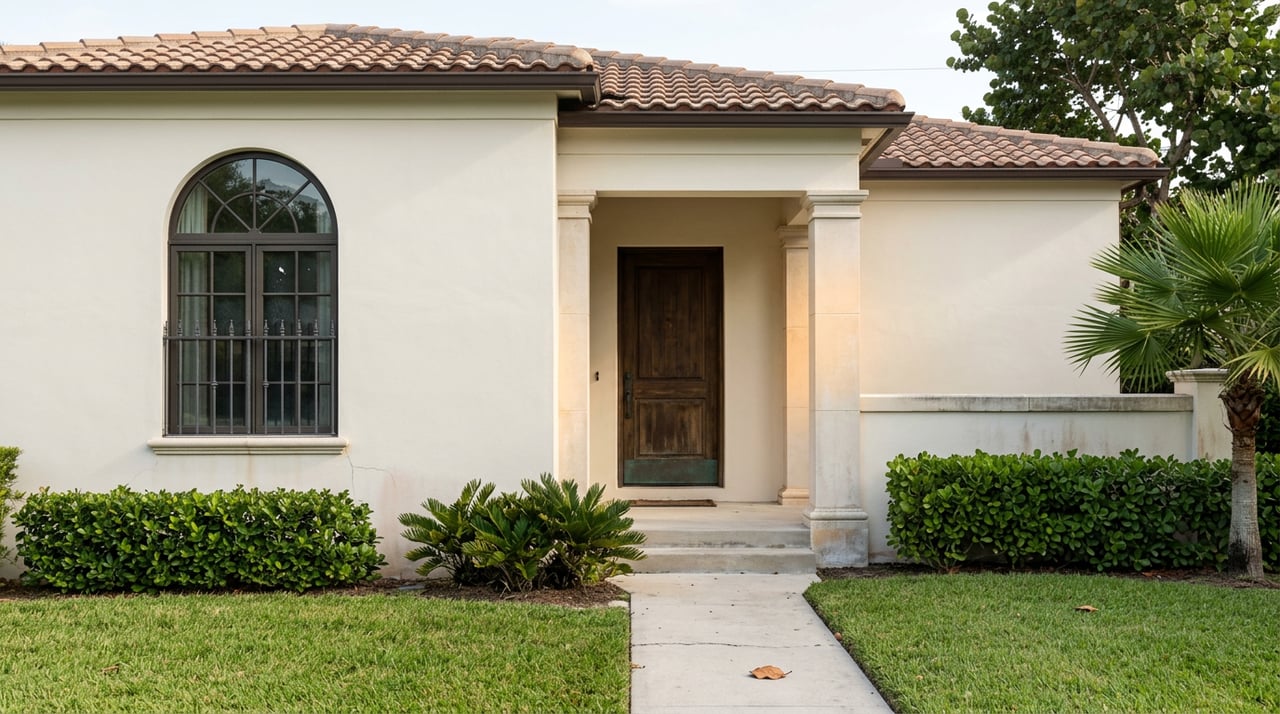
Palm Beach is known for a rich architectural mix, and the Town of Palm Beach says Mediterranean Revival is the most popular style. At the same time, the town’s preservation materials show a wide range of recurring styles, including British Colonial, Monterey, Mission Revival, Georgian Revival, Regency, International, Ranch, and late-twentieth-century designs.
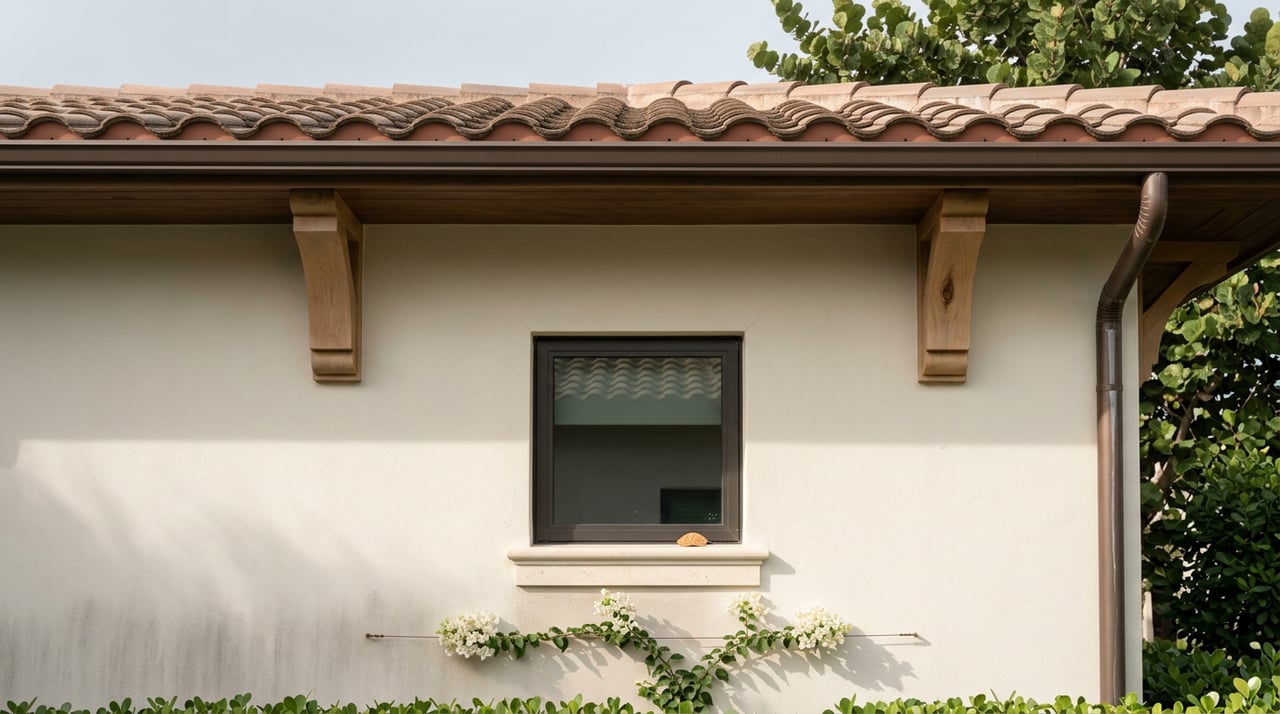
As you tour homes, those style differences are more than visual. They can affect materials, maintenance patterns, window and roof design, and how easily a property can be updated while preserving its character.
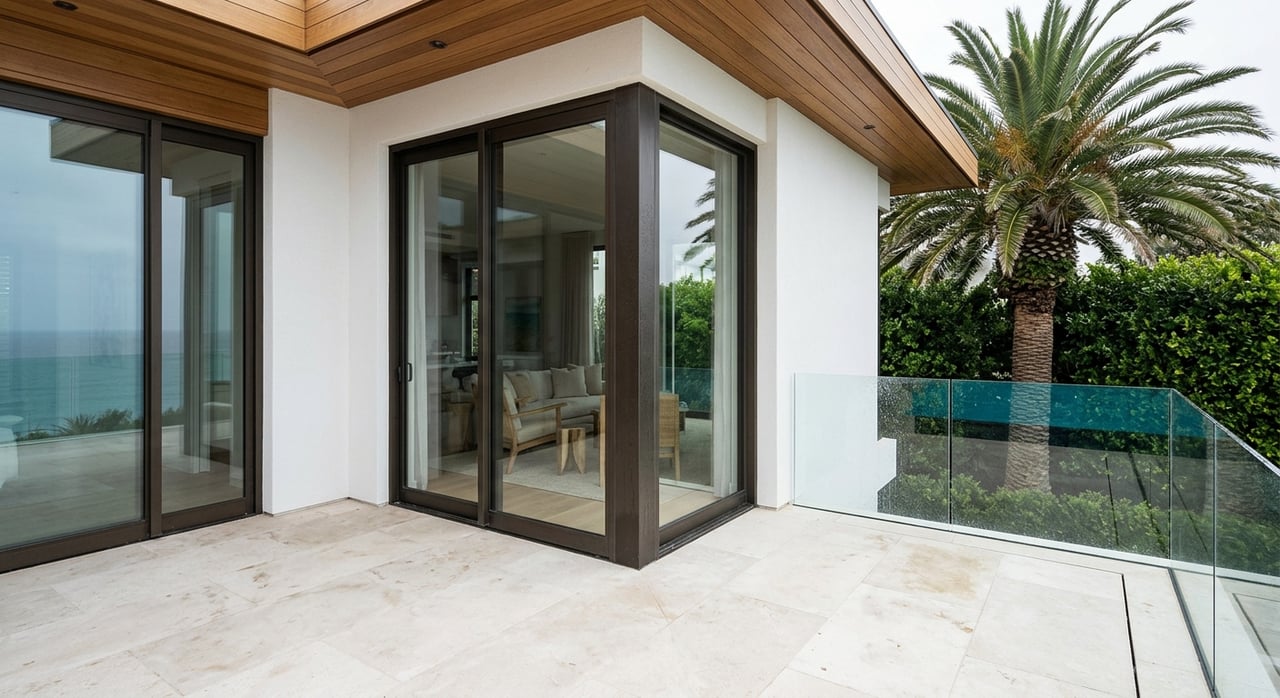
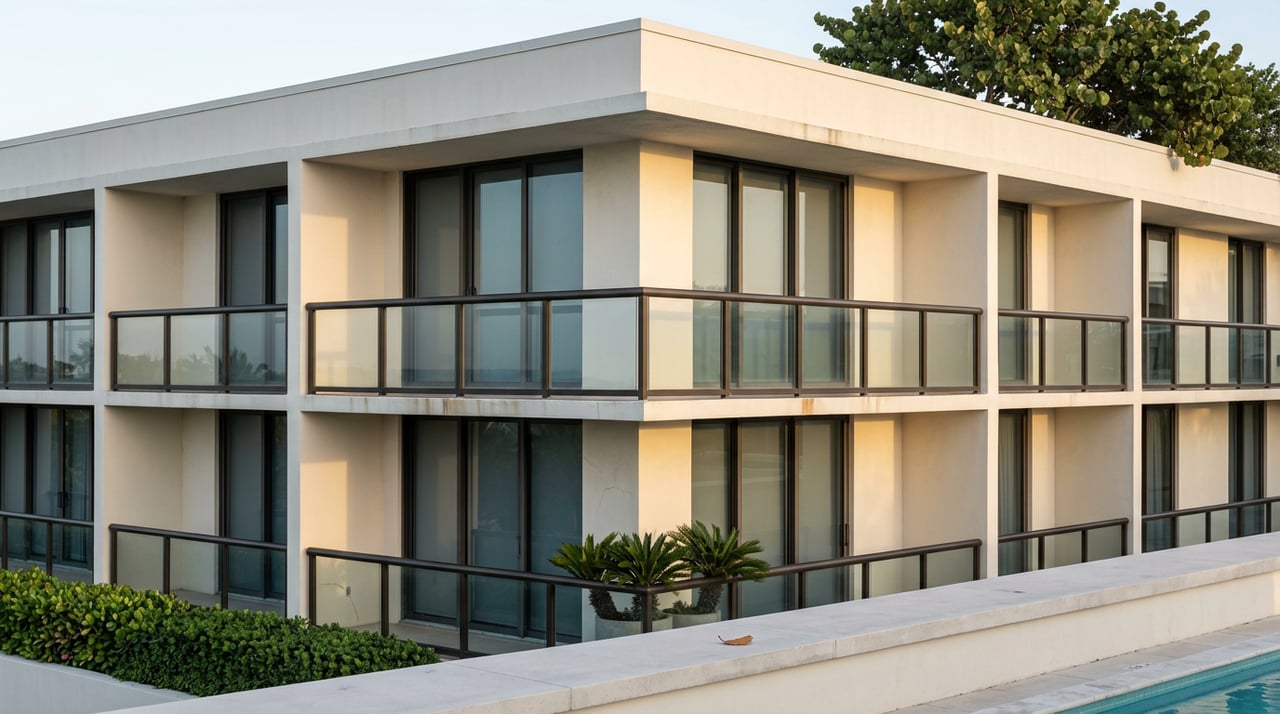
If you are drawn to a specific look, it helps to understand how that style performs in a coastal setting. A dramatic façade may be beautiful, but on the ocean, rooflines, exterior metals, glass exposure, and maintenance demands all matter.
The Town of Palm Beach has had an active Historic Preservation program since 1979, and the Landmarks Preservation Commission reviews changes to landmarked structures. The town says more than 328 landmark properties, sites, and vistas are protected.
For you, that means a home’s design significance may come with added review steps. If you want to alter windows, exterior materials, rooflines, or outdoor living areas, ask early whether the property is landmarked or historically significant and what approvals may be required.
A landmarked estate can offer exceptional character and long-term appeal. It can also require a more measured path if your vision includes meaningful exterior changes.
Oceanfront due diligence in Palm Beach is highly site-specific. The town’s zoning materials track items such as lot area, width, depth, FEMA flood zone, lot coverage, setbacks, building height, base flood elevation, finished floor elevation, landscape open space, and native plant requirements.
That is why frontage and usable envelope matter so much. A large lot may still have meaningful constraints based on setbacks, height limits, existing improvements, or the placement of outdoor areas and service functions.
The town’s zoning summary also shows a maximum of two habitable stories in vertical alignment for single-family and two-family development. If redevelopment or a major renovation is part of your plan, you should not assume that square footage alone tells the full story.
The town’s development review checklist requires detailed surveys, building sections, yard sections, and site plans. That is a strong reminder that buildability is best evaluated with precise documents, not general assumptions.
In addition to town zoning, Florida’s Coastal Construction Control Line program can affect what is possible on an oceanfront parcel. The Florida Department of Environmental Protection says the program regulates structures and activities that may cause beach erosion, destabilize dunes, damage upland properties, or interfere with public access.
If you are considering a renovation, expansion, or new construction approach, this is an important second layer of review. In practical terms, your design team should understand both town requirements and CCCL considerations before you treat a concept as feasible.
One of the biggest surprises for some buyers is how much privacy can vary from one oceanfront location to another. Palm Beach’s road and pedestrian map distinguishes between public and private beach access, and the town says public access points have time-set electronic locks that are open during the day and locked at night.
That makes proximity to a public access point a real lifestyle factor. If you want a quieter stretch of beach or less foot traffic near the home, you should ask exactly where the nearest access point is and how it functions during the day and evening.
These details often do not show up in listing photos, but they can shape your daily experience in a meaningful way.
Palm Beach actively manages its shoreline through projects such as beach renourishment, dune restoration, and groin rehabilitation. Town updates note that sand placement, dune work, and temporary access closures can affect beach use near active work zones.
So when you tour a property, try to look beyond the snapshot of that specific day. Beach width, access convenience, and nearby activity can shift depending on current coastal protection work.
A practical question to ask is simple: what is happening on this stretch of beach right now, and what is scheduled next? For an oceanfront purchase, that is part of understanding the ownership experience, not just the viewing experience.
Salt air is hard on homes. FEMA notes that corrosion-resistant connectors and fasteners are essential in coastal construction and that exposed metal fasteners can corrode within a few years in coastal areas. FEMA also recommends stainless steel within 3,000 feet of the coast where salt spray is expected.
That makes material selection a serious ownership issue. Roof components, railings, windows, shutters, HVAC stands, and exterior hardware all deserve attention, especially if you are comparing older construction with a more recently updated estate.
On Palm Beach oceanfront, low-maintenance specifications are not just a nice bonus. They are part of the long-term operating logic of the property.
For many Palm Beach buyers, the home will serve as a seasonal residence. The Town of Palm Beach offers a free Closed House service and asks residents to keep property contact information current with police and fire rescue. That can be a useful local resource if you spend part of the year away.
There are also oceanfront-specific seasonal considerations. The town says oceanfront property owners must ensure artificial lights are not visible from the beach between March 1 and October 31 to protect nesting sea turtles. If a property features extensive exterior lighting, pool illumination, or dramatic façade lighting, you should understand how that may affect design and everyday use.
Another local rule matters for owners thinking about occasional rentals. The town states that single-family homes may not be rented more than three times in a calendar year. If rental flexibility is part of your ownership strategy, that should be reviewed before you move forward.
The strongest oceanfront purchases usually come from careful, local, parcel-level review. In Palm Beach, flood exposure, lot constraints, beach access, shoreline projects, historic review, and material durability all influence how a property lives over time.
That is why a polished showing is only the beginning. The goal is to understand the house, the site, and the rules that shape both before you commit.
With oceanfront estates, confidence comes from asking better questions earlier. If you want a discreet, highly tailored approach to evaluating Palm Beach waterfront opportunities, John Wilson offers private guidance shaped by deep local experience and a concierge-level process.
Stay up to date on the latest real estate trends.
Experience a bespoke real estate partnership where every detail is considered and every goal prioritized. Working with us means more than a transaction. It’s an elevated journey defined by discretion, expertise, and results tailored to you