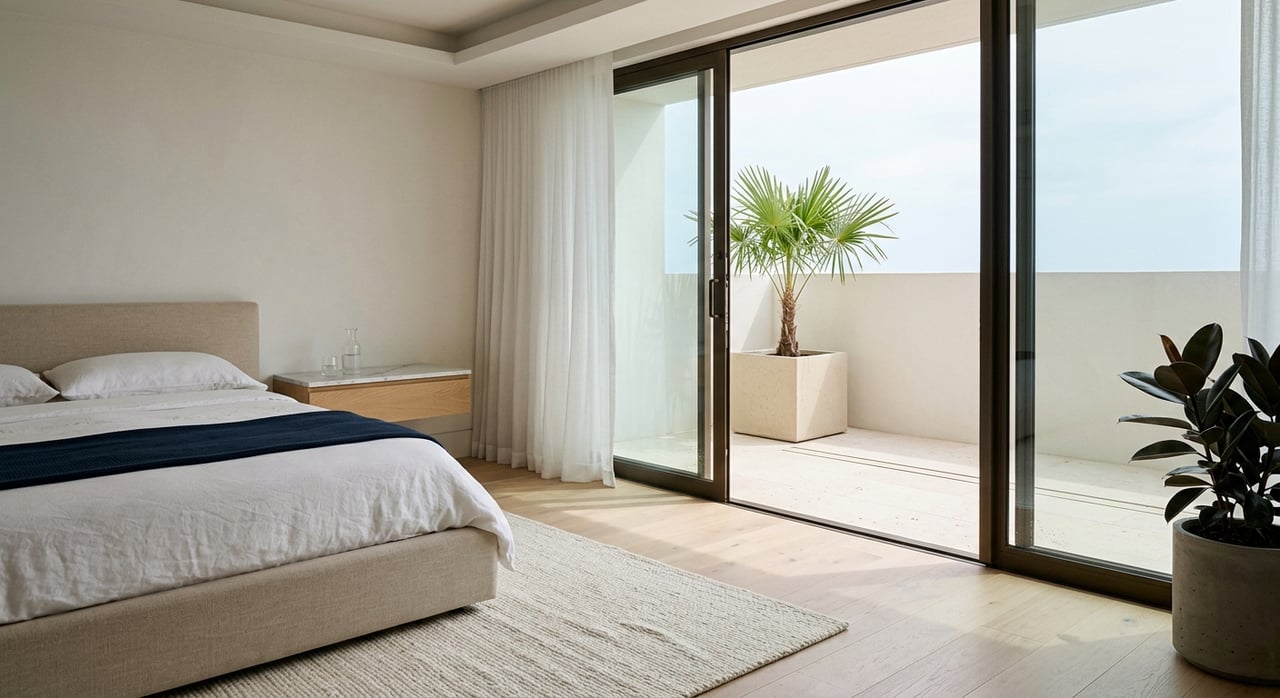
Smart Strategies for Boca Raton Luxury Condo Rentals
May 28, 2026
May 28, 2026
Wondering whether your Boca Raton condo should be a winter escape, a steady rental, or a bit of both? If you own, or plan to buy, a luxury condo here, that choice can shape everything from your lifestyle to your tax treatment. The good news is that Boca Raton’s seasonal demand gives you real options, as long as you match your plan to the building’s rules and the right lease structure. Let’s dive in.
Boca Raton sits within a Palm Beach County market with strong visitor demand. County tourism data shows tourism is one of the area’s top five industries, supporting 95,000 jobs and drawing 9.9 million visitors in 2024 and 10.58 million visitors in fiscal year 2025.
That demand is not flat across the calendar. Boca Raton’s own traffic-count approach measures peak season from January through March and off-peak season from June through August, which reinforces a seasonal pattern. For condo owners, that makes Boca especially relevant for a selective rental strategy rather than a one-size-fits-all approach.
Palm Beach County also reports major visitor origin markets in the Northeast, including New York, Connecticut, Massachusetts, New Jersey, and Pennsylvania. That aligns well with the second-home buyer profile many luxury condo owners know well: buyers and renters who want coastal Florida access during part of the year, not necessarily full-time occupancy.
The right plan usually comes down to how you want to use the property, how often you want turnover, and what the condo documents allow. In Boca Raton, most owners are choosing from three broad models.
A seasonal strategy is often the best fit if you want to capture high-demand periods without treating the condo like a year-round investment asset. This can work well for owners who value flexibility and want to rent for limited windows during the year.
But short stays bring more than market opportunity. In Florida, rentals of six months or less in covered accommodations, including condominiums, are generally subject to a 6% transient rentals tax. Palm Beach County also applies a 6% Tourist Development Tax to transient rentals of six months or less, and that tax is reported monthly.
Palm Beach County states that the Tourist Development Tax applies to rental revenue, including mandatory fees such as cleaning fees and pet fees. That means the financial picture for a seasonal lease is not just about the base rent. It is also about how the stay is structured and what charges are included.
A longer-term lease can be the simplest path if your goal is steadier income and less hands-on management. A bona fide written lease for continuous residence longer than six months is treated differently under Florida tax law.
For stays longer than six months, the state transient-rentals tax does not apply. Palm Beach County’s tourist tax is also tied to rentals of six months or less. For many owners, that makes a 7-plus-month or annual lease easier to manage from a tax-reporting and turnover perspective.
This strategy can also support a more predictable ownership experience. You may give up some flexibility during peak season, but you can reduce vacancy gaps and avoid repeated guest transitions.
A hybrid strategy can be especially attractive in Boca Raton. If you see the condo first as a second home and only secondarily as a source of income, selective leasing may help offset carrying costs without giving up the lifestyle you bought the property for.
Because Boca’s demand pattern is stronger in winter, many owners naturally think about reserving the most desirable months for personal use and opening the condo to renters during shoulder periods. That idea is supported by the area’s seasonal tourism and traffic trends, but your building’s documents still need to allow the plan.
For many luxury owners, this is the most balanced model. You keep the condo aligned with your personal calendar while still making practical use of a high-demand market.
This is where many rental plans succeed or fail. In Boca Raton condos, the market may support a leasing strategy, but the governing documents determine whether you can actually use it.
Florida condominium law allows declarations to include restrictions on use, occupancy, and transfer of units. The law also allows amendments that can prohibit renting, change rental duration, or limit rental frequency. In practical terms, your right to rent is often controlled by the condo documents, not just by buyer or renter demand.
That is why two neighboring luxury buildings can offer very different rental flexibility. One may allow seasonal leasing, another may require longer lease terms, and another may heavily restrict rentals altogether.
If you are buying with any rental goal in mind, document review should happen early. Waiting until late in the process can create expensive surprises.
Florida condo disclosure rules require buyers to receive the current declaration, bylaws, and rules. Those disclosure materials must identify unit-use restrictions, including leasing restrictions.
That means you should review more than just whether rentals are allowed in general. You should also look for details such as:
If your strategy depends on a specific property, Boca Raton’s zoning office also offers zoning confirmation letters and property status reports. Those can help verify the property’s status when your planned use depends on the exact address.
One of the clearest strategic decisions is the lease term itself. In Boca Raton, the difference between a six-month lease and a seven-month lease can change the tax treatment in a meaningful way.
Here is the basic comparison:
| Lease approach | General tax treatment based on lease length | Typical owner goal |
|---|---|---|
| Six months or less | Florida 6% transient rentals tax may apply, plus Palm Beach County 6% Tourist Development Tax may apply | Capture seasonal demand |
| Longer than six months | State transient-rentals tax does not apply; county tourist tax tied to six months or less | Simpler cash flow and fewer turnovers |
This is why your lease term and condo documents should be reviewed together, not separately. A building may permit rentals, but if it requires a minimum lease period, that could push you toward a very different tax and operating model than you first expected.
If you want to make a smart luxury condo decision in Boca Raton, keep the process straightforward. Start with your lifestyle goals, then pressure-test them against the legal and building framework.
Ask yourself whether this is primarily a second home, a cash-flow asset, or a hybrid. Your answer should shape everything that follows, including the kind of building you target.
Review the declaration, bylaws, rules, and any recent amendments. You want a clear answer on whether the building is friendly to seasonal leasing, annual leasing, or mostly owner occupancy.
If your plan involves stays of six months or less, understand that Florida’s 6% transient rentals tax and Palm Beach County’s 6% Tourist Development Tax may apply. If your plan is for a written lease longer than six months, the tax treatment is different.
If your strategy depends on the exact property, use Boca Raton’s available zoning confirmation and property status tools to verify the address-level picture. This step is especially useful when you are comparing buildings with different operating patterns.
In Boca Raton, the smartest rental strategy is rarely just “rent it” or “do not rent it.” The better question is whether the condo’s documents, your desired lease length, and your lifestyle goals all work together.
For a winter-focused second-home owner, a hybrid approach may offer the best of both worlds. For an owner who wants simplicity, a longer-term lease may be more efficient. For an owner chasing peak demand, seasonal leasing may be compelling, but only if the building permits it and you are prepared for the added tax and reporting framework.
In the luxury market, details matter. The right building can protect your flexibility, preserve your enjoyment, and support a more thoughtful ownership strategy from day one.
If you are weighing a Boca Raton condo purchase or trying to refine the rental plan for a current property, a private, property-specific review can save time and avoid costly missteps. For tailored guidance on luxury condos, second-home strategy, and Boca Raton ownership opportunities, schedule a private consultation with John Wilson.
Stay up to date on the latest real estate trends.
Experience a bespoke real estate partnership where every detail is considered and every goal prioritized. Working with us means more than a transaction. It’s an elevated journey defined by discretion, expertise, and results tailored to you