West Palm Beach COA Renovations: What to Know First
August 13, 2026
August 13, 2026
Picture two houses on the same block of El Cid. Same era, same square footage, same asking price. Both buyers close on a Friday and both want the same thing out of the house: a new kitchen, a primary suite addition, a rebuilt rear porch.
The first buyer starts demo the following Monday. Permits can wait, the thinking goes, this is cosmetic work behind a wall the neighbors can't see.
The second buyer files a Certificate of Appropriateness application before a single cabinet comes out, sits through a Historic Preservation Board hearing eight weeks later, and doesn't touch a stud until approval is in hand.
A year on, the Palm Beach County Property Appraiser reassesses both homes at roughly the same new value. The first buyer owes city and county ad valorem taxes on that entire increase this year. The second buyer owes nothing on it for a decade. Same renovation, same board, same street. The only variable was sequencing.
That is the part most renovation guides for these neighborhoods skip. They treat the Historic Preservation Board's review process as a compliance cost, something you tolerate on the way to a permit, and they treat the city's historic tax exemption as a separate perk you might qualify for if you're lucky. They are not separate. The board's review is the entry fee for the exemption. Skip the fee, and there is no decade of relief to collect.
West Palm Beach maintains 18 locally-designated historic districts and 46 individually-designated sites under its Historic Preservation Program, which covers a mainland roster distinct from the island districts across the bridge: El Cid, Flamingo Park, Grandview Heights, Old Northwood, Belair, and Prospect/Southland Park among them.
The line that matters for a renovation budget isn't which district you're in. It's whether the work is visible from the street. Exterior changes, additions, roofs, windows, fences, driveways, generally require a Certificate of Appropriateness from the city before a building permit is issued. Interior-only work generally does not. If you're gutting a kitchen without touching the footprint or the facade, the board likely never sees your plans.
Paint is the one exception people assume is regulated and isn't. Historic boards in these districts typically don't dictate exterior paint color, though staff will steer you toward a period-appropriate palette if you ask.
Not every exterior change needs a full public hearing either. Smaller, in-kind changes, especially on elevations not visible from the street, can often be cleared through staff-level administrative review. The addition that changes your roofline or your street-facing massing is what lands on the board's monthly docket.
The Historic Preservation Board meets monthly, and the ordinance establishing these districts routes design review through either staff or the board depending on scope. Staff-level sign-off on minor work can clear in days to a few weeks. A full board hearing runs longer, roughly six to twelve weeks from submission to decision by most local renovation timelines, sometimes closer to four to eight weeks depending on the month's agenda. Either way, the city does not issue a building permit until the Certificate of Appropriateness is in hand.
This isn't theoretical. The city's own January 2026 Historic Preservation Board agenda shows the calendar working in real time. One case that month involved a 0.137-acre site at 349 Plymouth Rd. in the Belair Historic District, where builder Robert Tanner of Cavendish Builders Inc. sought approval on behalf of owner Abigail M. Maglaris for partial demolition, exterior alterations, and new construction. Another case, in the Prospect/Southland Park Historic District under Commission District 5 (Commissioner Christina Lambert), sought a Certificate of Appropriateness for a second-story addition, with city planner R. Anthony Mendez as case manager. A separate case in Commission District 1 (Commissioner Cathleen Ward) ran through planner Jordan Hodges. These are the names and addresses that move through the board every month, and whichever month your project lands on decides when your general contractor can legally start.
Here is the half of the story that rarely gets mentioned alongside the timeline. Since February 14, 1994, West Palm Beach has run an Ad Valorem Tax Exemption Program for designated historic properties, contributing structures in a district or individually listed on the National or Local Register. The program can exempt up to 100 percent of the assessed value increase created by an approved renovation, restoration, or rehabilitation, interior or exterior, for a period of ten years.
The city's own worked example makes the mechanics concrete:
| Before rehab | After rehab | |
|---|---|---|
| Assessed value | $250,000 | $290,000 |
| Increase from the renovation | — | $40,000 |
| Portion exempt from ad valorem tax | — | $40,000 |
| Length of exemption | — | 10 years |
Add the kitchen, the primary suite, the rear porch, get the Historic Preservation Board's sign-off first, and the county's reassessment of that added value doesn't hit your tax bill for a decade. Skip the sign-off, or start work before it's granted, and that same $40,000 in new assessed value is taxed like any other renovation, starting the year the appraiser catches up to it.
This is the part that turns two separate facts into one transaction. The exemption requires a Preconstruction Application approved by the Historic Preservation Board before work begins. The approved improvements then have to be completed within two years of that approval, following the Secretary of the Interior's Standards for Rehabilitation.
Read that sequence again and the earlier scenario stops looking like a coincidence. The buyer who broke ground before filing didn't just risk a stop-work order. They forfeited eligibility for that scope of work entirely, permanently, with no way to apply for the exemption retroactively once the work is done. The board's calendar isn't a tax on patience you pay and then move past. It's the qualifying condition. There is no version of the ten-year exemption available to a buyer who wants to skip the wait.
For a buyer weighing a purchase against a real renovation budget, that changes the math on closing timing itself. A property that needs six months of interior-only work before move-in carries none of this risk, since interior work generally doesn't trigger board review at all. A property that needs an addition or a facade change is a different underwriting exercise: price in the board's monthly cycle as part of the purchase timeline, not as a surprise that shows up after closing.
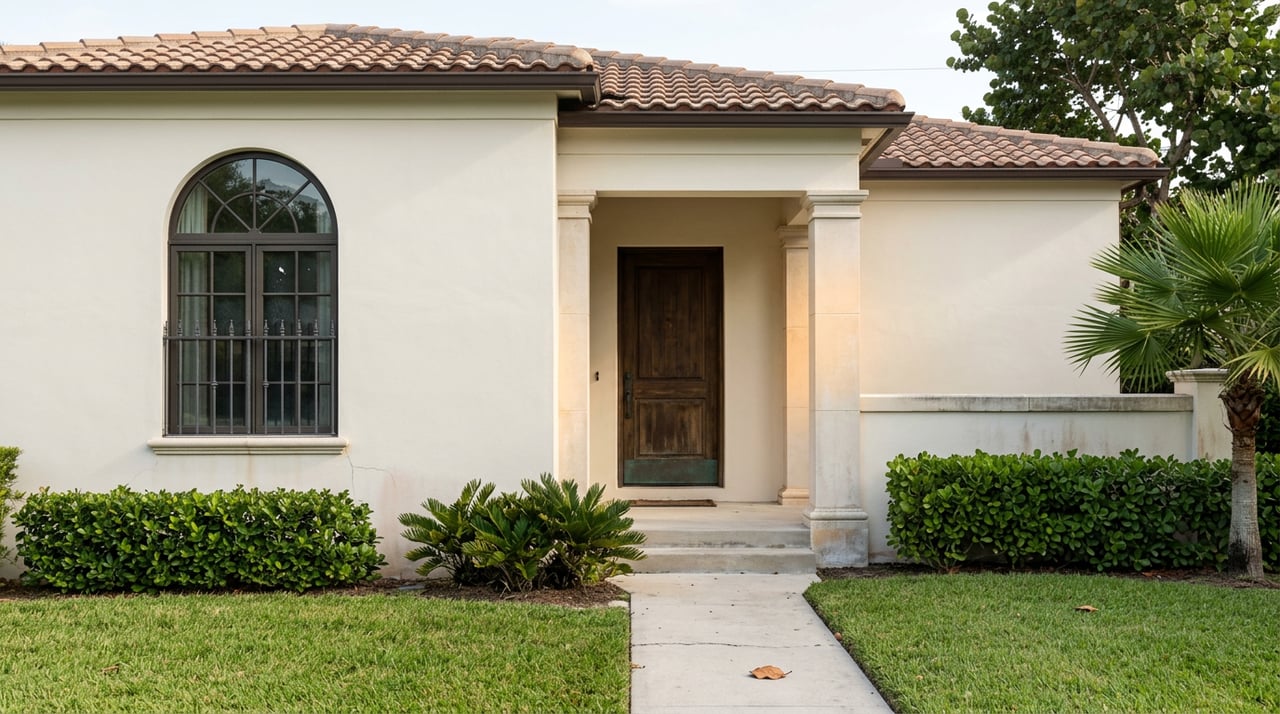
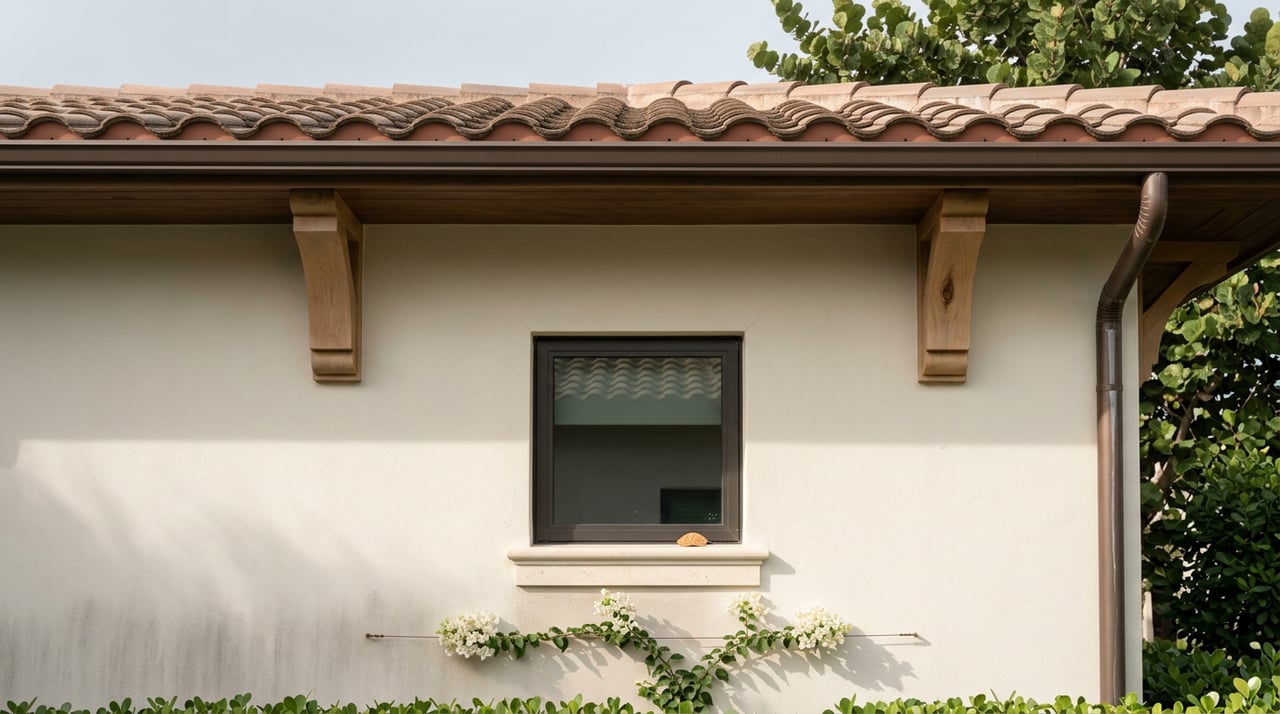
The review standard itself is the same across all six districts named here. What differs is what a given house shows the street. El Cid's Mediterranean Revival stock tends to carry more street-facing character, barrel tile rooflines, wrought iron, stucco detailing, which means more elements for a board or staff reviewer to weigh in an exterior application. Flamingo Park and Grandview Heights lean toward 1920s bungalow and Mission-style fronts, often with simpler street-facing profiles. Old Northwood mixes both. Belair and Prospect/Southland Park are smaller districts where individual case-by-case additions, like the ones on January's agenda, are typical of what actually reaches a hearing.
None of that changes your odds of approval. It changes what your Certificate of Appropriateness package has to document, and how many character-defining features your contractor's drawings need to address before the board will schedule you.
Does replacing a roof or windows count as interior work? No. Both are exterior and visible from the street, so at minimum they require staff-level review, and more extensive changes to materials or profile can require a full board hearing.
Do I need a Certificate of Appropriateness for a kitchen or bathroom remodel that doesn't touch the exterior? Generally no. The board's authority runs to what's visible from the street. Interior-only work typically doesn't require its sign-off.
What if I buy a home where the previous owner already started renovations without an approved Certificate of Appropriateness? That work doesn't qualify for the ad valorem exemption, since approval has to precede the start of construction. Any unpermitted or unapproved scope would need to be addressed on its own terms before you could plan new, exemption-eligible work around it.
Does exterior paint color need board approval? No. West Palm Beach's historic boards typically don't regulate paint color, though staff will suggest a period-appropriate palette.
If you're looking at a home in El Cid, Flamingo Park, Grandview Heights, Old Northwood, Belair, or Prospect/Southland Park and want to know how a renovation you're planning actually lines up against the board's calendar and the exemption's two-year clock before you write an offer, Wilson Luxury Real Estate can walk the timeline with you. Schedule a private consultation and we'll look at the specific address, the specific scope, and what it means for your closing date.
Stay up to date on the latest real estate trends.
Experience a bespoke real estate partnership where every detail is considered and every goal prioritized. Working with us means more than a transaction. It’s an elevated journey defined by discretion, expertise, and results tailored to you