Leave a Message

Thank you for your message. We will be in touch with you shortly.

Explore Our Properties

Condo vs Single-Family ROI in Boca Raton

January 15, 2026

Wondering which Boca Raton asset class historically delivers stronger returns: a luxury condo or a single-family home? If you are comparing purchase, carry, and rental income across these two paths, the details matter. You want a clear, numbers-first way to weigh net yield against lifestyle and exit risks. In this guide, you will get a practical framework, sample calculations, and the key building and financing checks that can make or break ROI in Boca Raton. Let’s dive in.

Boca Raton ROI at a glance

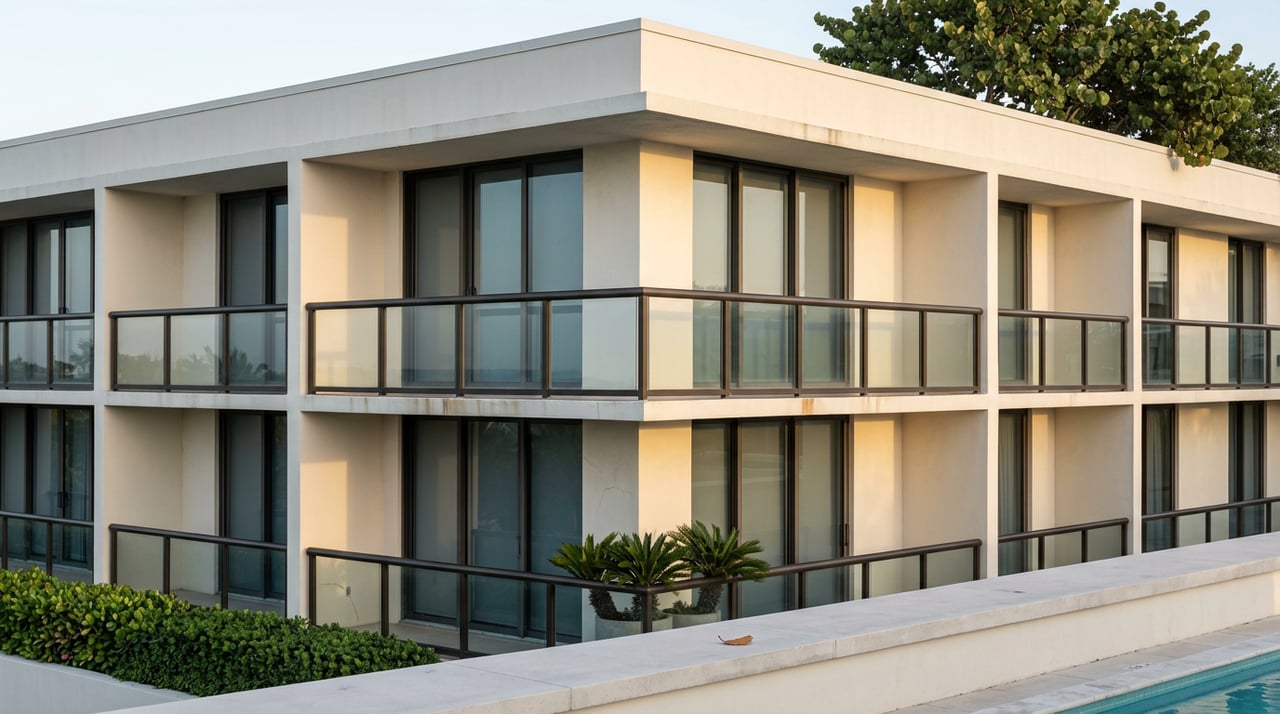
Boca Raton is a premium coastal market within Palm Beach County. Coastal proximity, luxury amenities, and a large second-home buyer base lift prices compared with many inland areas. Luxury condos often command higher price per square foot but carry sizable association dues, while single-family homes can benefit from land value and broader buyer appeal.

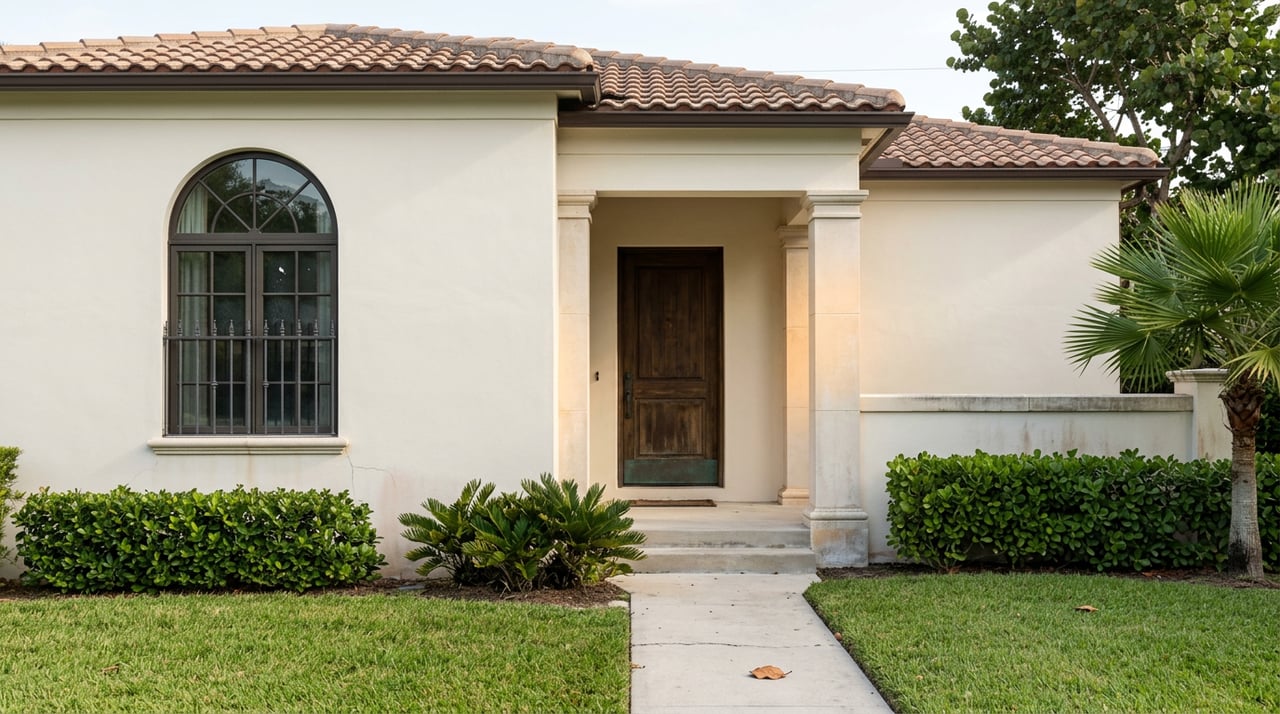
Condos tend to attract seasonal residents, retirees, and investors focused on turnkey living and amenities. Single-family homes appeal to end users seeking privacy, yards, garages, and expansion potential, along with investors who value control over renovations and leasing. These demand differences shape rental profiles, operating costs, and exit liquidity.

What drives your returns

Acquisition and closing costs

Expect standard buyer closing costs such as lender fees, title, recording, and appraisal. These often total about 2 to 3 percent of price, depending on the loan and service providers. Add due diligence items like inspections, a survey if needed, and a condo estoppel or resale package. If you plan to lease quickly, budget for initial furnishings and repairs.

Carrying costs to budget

  • Property taxes: Palm Beach County’s effective rates often land near 1.0 to 1.3 percent of assessed value. Homestead exemptions reduce taxes for primary residences but generally do not apply to second homes or many investment properties.
  • Insurance: Coastal Florida has seen pressure on premiums. Both hazard and, where required by lenders, flood insurance can be significant line items, especially near the water.
  • HOA/condo dues: Luxury towers in Boca Raton commonly carry monthly dues from several hundred to several thousand dollars. Dues reduce net yield and can be subject to special assessments.
  • Maintenance: For single-family homes, plan for exterior upkeep, roof, systems, and yard. A conservative placeholder is 1 percent of property value per year or 5 to 10 percent of gross rent. In condos, the building handles much of the exterior, but you cover interior systems and association costs.
  • Management, vacancy, and turnover: Long-term management often runs 6 to 10 percent of gross rent; short-term management can be 18 to 30 percent. Budget vacancy of about 4 to 8 percent for long-term rentals, with wider swings for seasonal or short-term models.

Financing differences to note

Lenders underwrite condos at both the borrower and building level. Some projects face restrictions tied to reserves, owner-occupancy ratios, litigation, or insurance. Financing availability and rate differences can reduce your cash-on-cash returns. Single-family homes generally avoid project-level scrutiny, which can widen your buyer pool at resale.

Income and leasing profiles

Boca Raton has year-round rental demand with pronounced winter season strength. Luxury condos can capture higher nightly rates during peak season where short-term rentals are allowed, though long-term yields are often lower. Single-family homes typically support 12-month leases with families and professionals, which can stabilize occupancy and reduce turnover frequency.

Short-term vs long-term rentals in Boca

Rules vary by municipality and association. In practice, many condos impose minimum lease lengths or cap the number of annual leases. City and county programs may require registration, safety compliance, occupancy limits, and tax collection for short-term rentals. Before you buy, confirm city rules, county requirements, and full condo bylaws, including rental caps and minimum terms. Align the building’s policies with your revenue plan.

Post-Surfside building scrutiny raised attention on governance, reserves, and structural safety in Florida condominiums. That focus can influence both a building’s operating costs and your ability to finance or rent.

Appreciation and exit liquidity

Single-family homes commonly benefit from land appreciation and appeal to a wider buyer pool of both owner-occupiers and investors. That can support liquidity and pricing power at exit. Condos can appreciate strongly when demand for turnkey, amenitized living rises, but sensitivity to building governance, supply of new units, and reserves can influence both value and market time.

Liquidity for condos can be affected by project documentation, estoppel timing, and lender eligibility. Older or underfunded buildings face closer scrutiny, which can narrow the buyer pool. In softer markets, condos sometimes show larger list-to-sale price spreads due to financing constraints and perceived building risk.

A numbers-first framework

Use these core metrics to compare specific properties:

  • Gross annual rent = monthly rent × 12
  • Net Operating Income (NOI) = gross rent − operating expenses (excluding debt)
  • Cap rate = NOI ÷ purchase price
  • Cash-on-cash return = (NOI − annual debt service) ÷ total cash invested
  • DSCR = NOI ÷ annual debt service
  • Break-even ratio = (operating expenses + debt service) ÷ gross income

Hypothetical side-by-side example

  • Condo example:

    • Purchase price: 1,500,000
    • Monthly rent (blended year): 6,000 → gross annual rent: 72,000
    • HOA dues: 1,500/month → 18,000/year
    • Other operating expenses: 24,000/year
    • NOI: 72,000 − 18,000 − 24,000 = 30,000
    • Cap rate: 30,000 ÷ 1,500,000 = 2.0 percent
  • Single-family example:

    • Purchase price: 1,800,000
    • Monthly rent: 9,000 → gross annual rent: 108,000
    • HOA (if any): 200/month → 2,400/year
    • Other operating expenses: 36,000/year
    • NOI: 108,000 − 2,400 − 36,000 = 69,600
    • Cap rate: 69,600 ÷ 1,800,000 = 3.87 percent

Interpretation: In this illustration, the single-family property shows a higher cap rate due to greater rent and a lighter HOA burden. True cash returns depend on debt, taxes, and insurance, so always run full cash flow with sensitivity cases.

Sensitivity checks to run

  • Model Base, Downside, and Upside rent scenarios with vacancy changes.
  • Stress HOA increases and potential special assessments for condos.
  • Test insurance premium increases on both asset types.
  • Assess exit timing by adding several months of carry at resale.
  • Check cash-on-cash at multiple LTVs, such as 50 and 70 percent.

Decision checklist

For all properties

  • Confirm comparable rents, seasonality, and local days on market.
  • Pull current property tax estimates and note exemptions that do or do not apply.
  • Determine flood zone status and obtain flood insurance estimates if required.
  • Review recent comparable sales for your sub-neighborhood.

Condo-specific

  • Review association financials, budgets, reserves, insurance coverage, and any pending capital projects.
  • Confirm rental policy, minimum lease terms, and owner-occupancy ratios.
  • Check for pending or past litigation and special assessments.
  • Verify resale document turnaround times and costs.

Single-family-specific

  • Evaluate roof, HVAC, plumbing, electrical, and exterior condition.
  • Confirm lot constraints, zoning, and any value-add potential.
  • Estimate ongoing yard, pool, and exterior maintenance costs.
  • Understand nearby new construction that may compete at resale.

Red flags to avoid

Condo risks

  • Low reserves compared with documented capital needs.
  • Ongoing litigation or repeated disputes.
  • Restrictive rental rules that conflict with your plan.
  • Lender ineligibility or frequent loan denials for the project.

Single-family risks

  • Major deferred maintenance with unclear scope or cost.
  • High flood risk with expensive insurance and limited mitigation.
  • Zoning or HOA rules that limit intended rental use.

Which path fits your goals

Choose a luxury condo if you prioritize amenities, convenience, and seasonal use, and you are comfortable trading some yield for turnkey living. This path can work when the building is financially strong, rental rules match your plan, and you value on-site services.

Choose a single-family home if you want greater control, potential value-add, and a wider buyer pool at exit. In many scenarios, SFHs can produce higher net yields, especially when HOA costs are low and long-term leases are stable.

Your next step in Boca Raton

If you are weighing two or three real properties right now, build a side-by-side model using the framework above. Verify taxes, insurance, HOA dues, rental rules, and recent sales before you commit. Then pressure-test your downside case so you know your true break-even.

When you are ready to compare live opportunities, schedule a private review with our team. We will help you stress test the numbers, confirm building-level details, and align the asset with your lifestyle. To start a confidential conversation, connect with John Wilson.

FAQs

What drives condo ROI in Boca Raton?

  • In luxury towers, HOA dues, rental restrictions, financing eligibility, and the building’s reserves and insurance structure are the biggest swing factors on net yield and exit liquidity.

How do Boca Raton single-family homes compare on cap rate?

  • SFHs often show higher cap rates than luxury condos due to stronger absolute rents and lighter association costs, but insurance and maintenance can narrow the gap, so model both precisely.

Are short-term rentals allowed in Boca Raton condos?

  • Rules vary by building and city; many associations set minimum lease lengths or caps on annual leases, so confirm bylaws and local registration and safety requirements before buying.

How should I budget for Florida insurance on coastal assets?

  • Build conservative estimates for hazard and flood where applicable; premiums have faced upward pressure, and lender requirements can apply in FEMA flood zones.

What tax rate should I use in my underwriting?

  • As a starting point, Palm Beach County effective property tax rates often fall near 1.0 to 1.3 percent of assessed value; confirm the current bill and any exemptions that may or may not apply.

What building documents matter most when buying a condo?

  • Review budgets, reserves, insurance policies, recent inspections, planned capital projects, litigation history, rental rules, owner-occupancy ratios, and estoppel/resale documents for closing timelines.

Begin the Journey

Experience a bespoke real estate partnership where every detail is considered and every goal prioritized. Working with us means more than a transaction. It’s an elevated journey defined by discretion, expertise, and results tailored to you