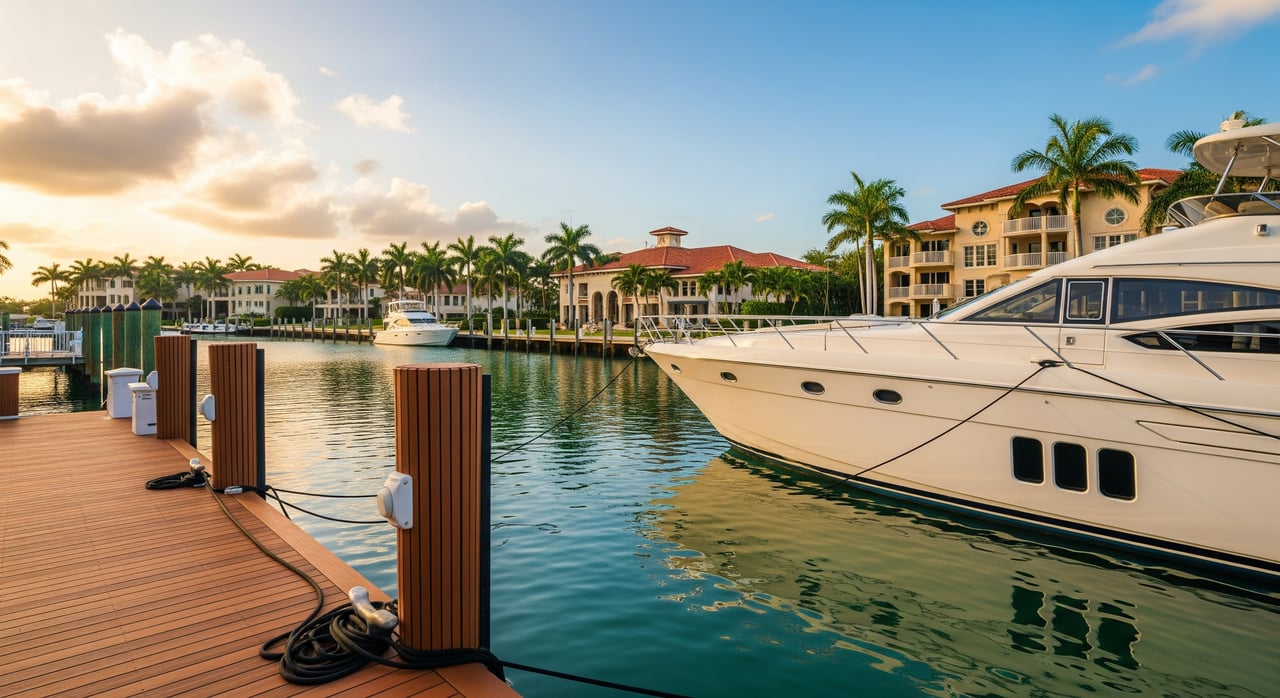
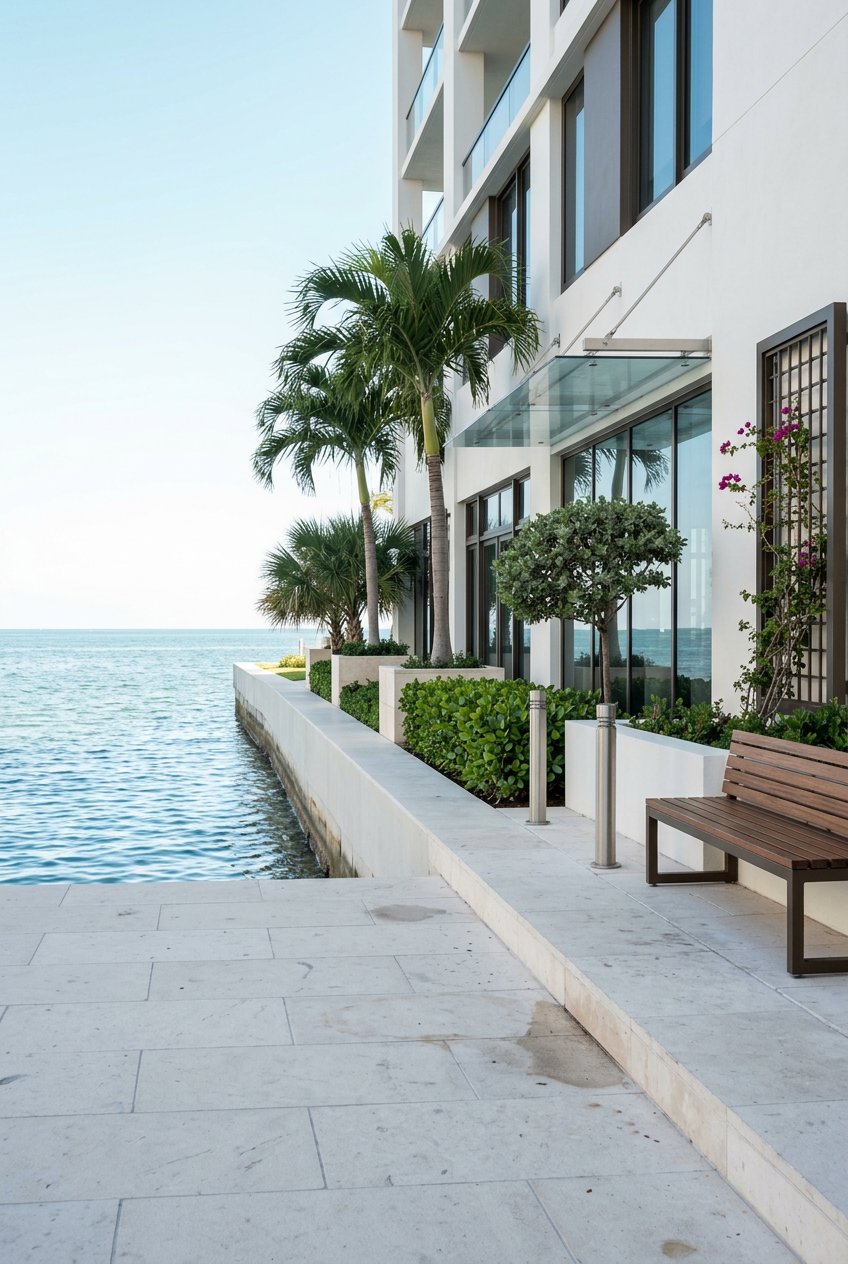
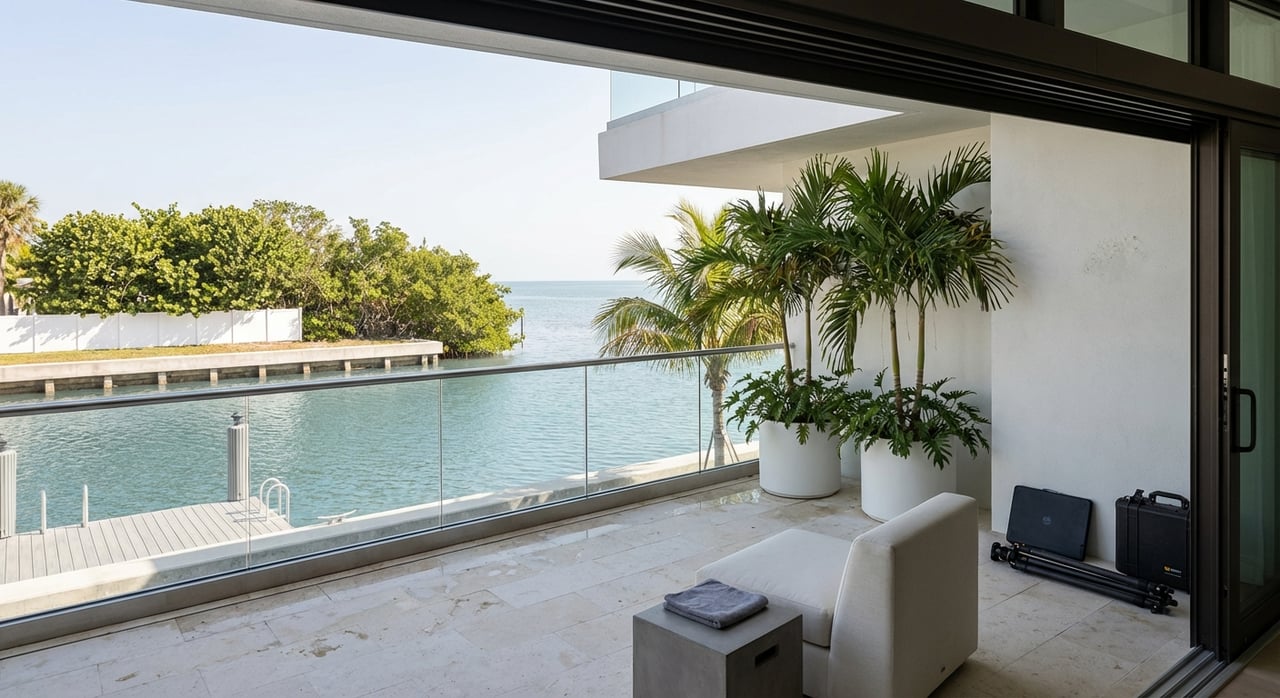
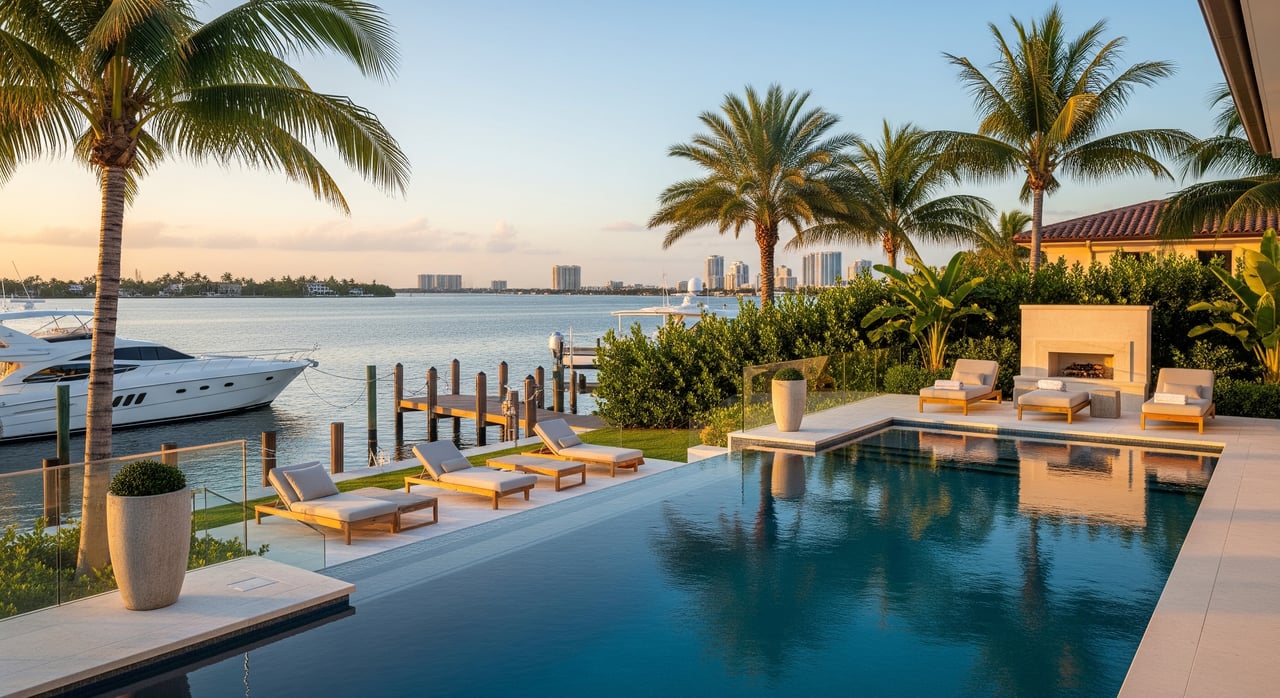
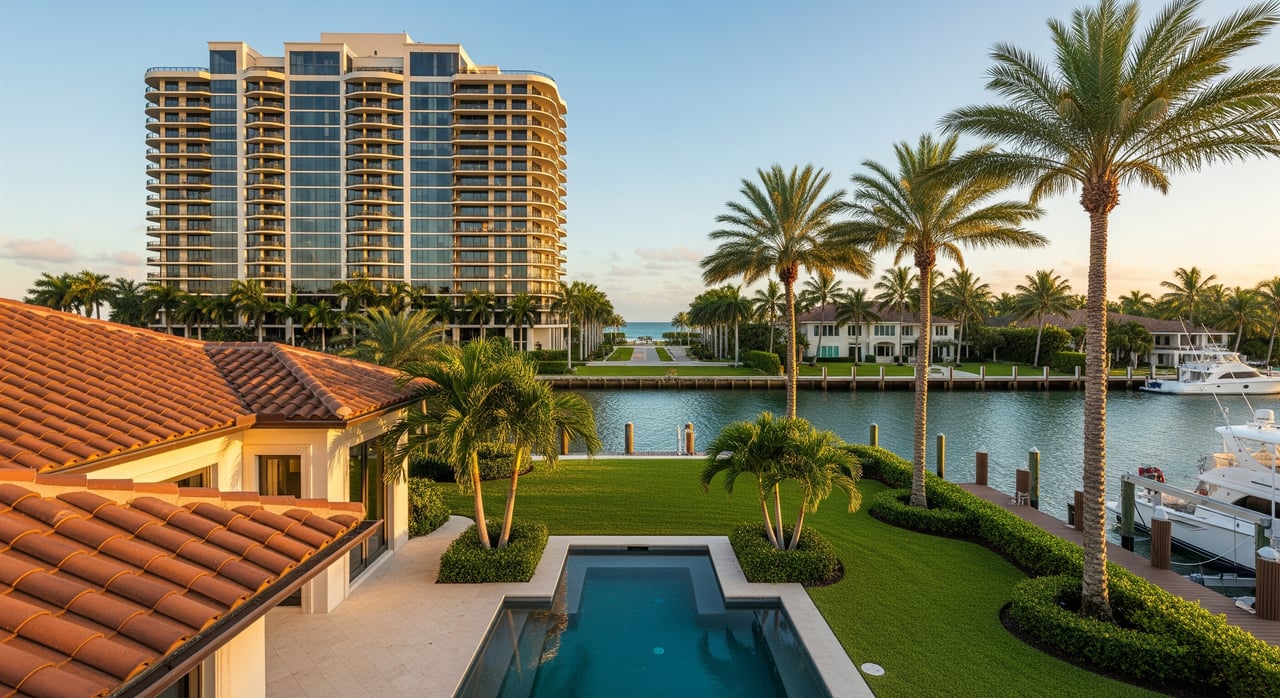
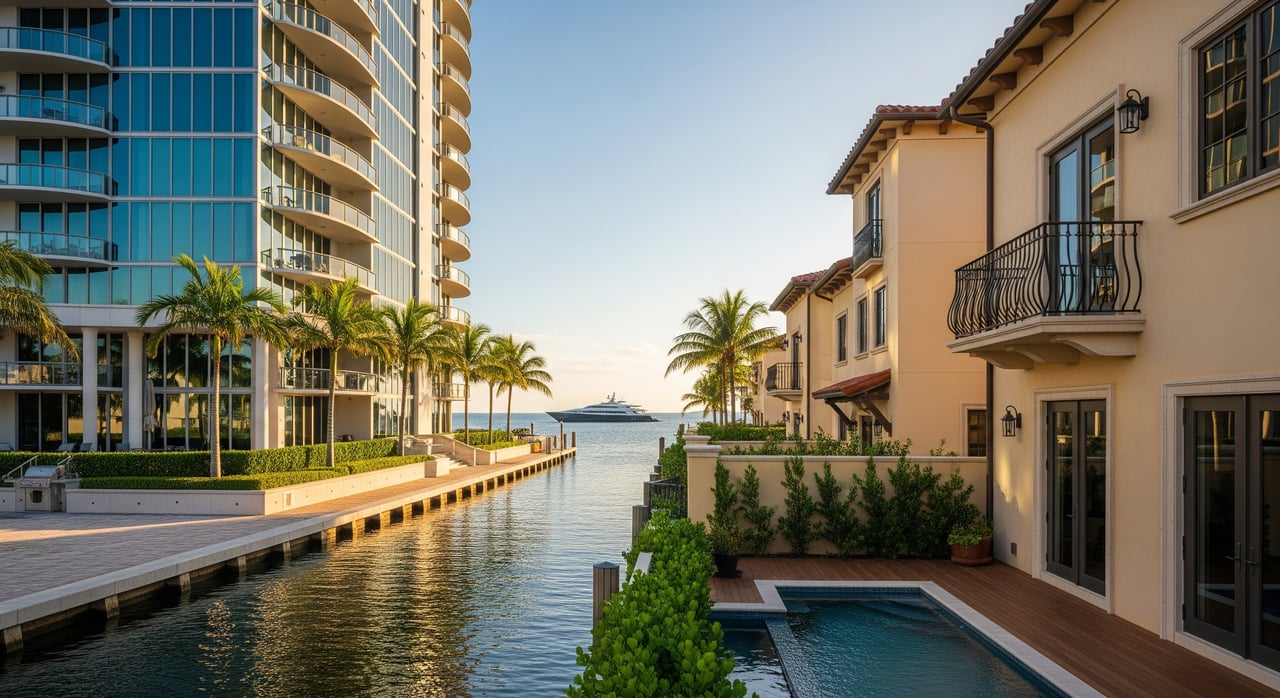
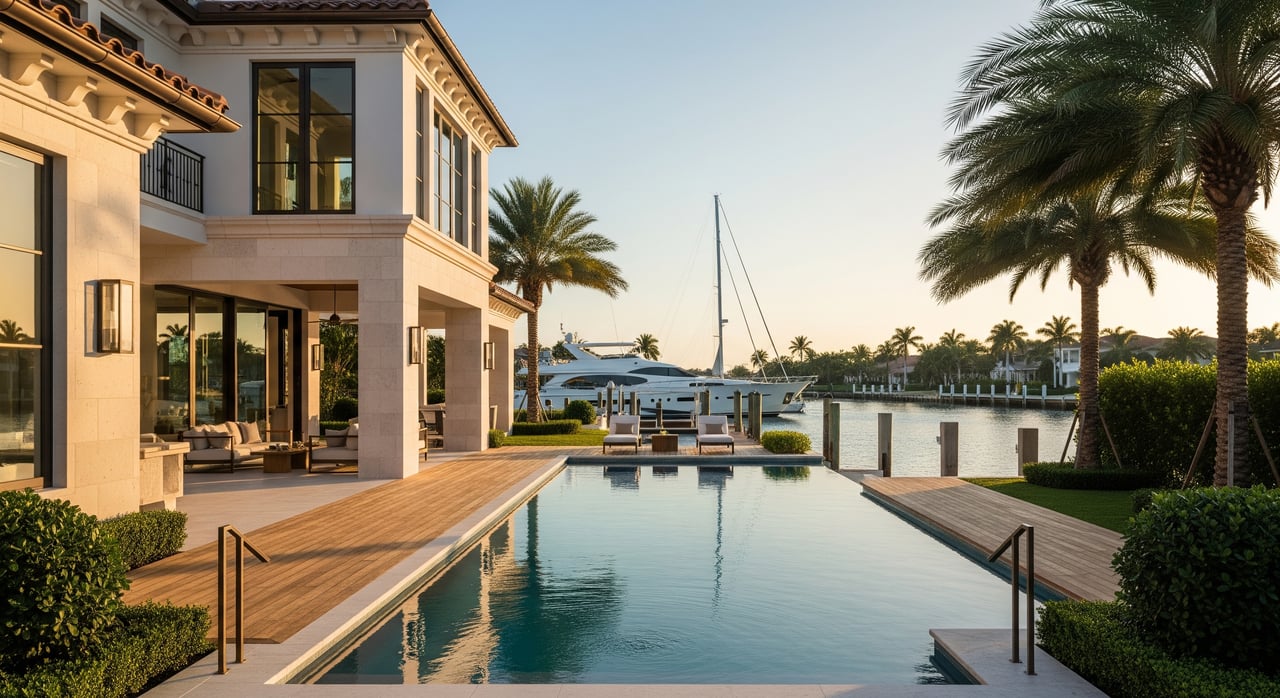
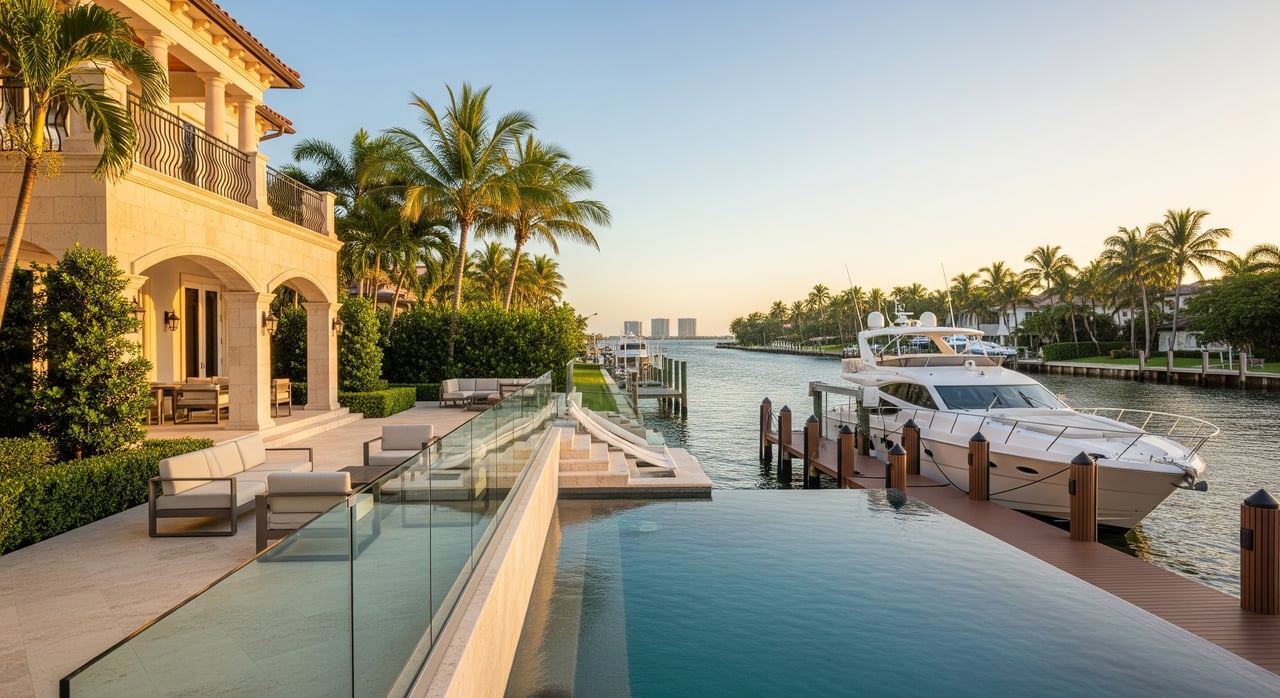
If boating is part of why you are considering Boca Raton, the dock you choose matters as much as the house. You want easy ocean days, reliable service, and a setup that fits your vessel without surprises. In this guide, you will learn how local marinas, private docks, and storage options work, how navigation rules shape what is possible, and how to match neighborhoods to your boating lifestyle. Let’s dive in.
Boca Raton’s marina ecosystem at a glance
Boca Raton sits on the Intracoastal Waterway with an ocean inlet nearby, so you have choices. From municipal marinas to private docks behind single-family homes, each option serves a different type of owner and boat. Understanding those differences helps you avoid waitlists, misfit slips, and costly retrofits.
Here are the core facility types you will find in the Boca Raton area:
- Municipal marinas and public boat ramps: Best for transient access, short stays, or launching smaller boats on busy weekends.
- Private marinas and yacht clubs: Membership or tenancy often includes social amenities and on-site services that appeal to frequent boaters.
- Marina complexes with wet and transient slips: Services vary. Some offer fuel, pump-out, and higher-amperage power for larger yachts.
- Dry-stack storage and trailer yards: Typically for smaller center consoles and runabouts. You get lower maintenance costs and quick launches, but size and hull type are limited.
- Private residential docks and HOA/community docks: Convenience and control for homeowners, but pay attention to permits, maintenance rules, and vessel limits.
- Commercial service yards and full-service boatyards: Essential for haul-out, bottom work, and mechanical or fiberglass repairs, especially for larger vessels.
Why the type you choose matters:
- Slip permanence and availability: Private docks can be reliable, while some marinas manage waitlists or emphasize transient stays.
- Service and vessel support: Full-service locations can justify a premium if you own a larger or more maintenance-intensive boat.
- Cost structure: Expect slip fees, utilities, insurance requirements, and potential HOA assessments for dock upkeep.
- Regulations and permitting: Adding or modifying a private dock involves local and state permits. Always verify status before you buy.
Slip types and what fits your boat
Common dock and storage types
- Fixed-pile docks: Stable and common for larger boats, but you have less vertical flexibility during tides or storm surge.
- Floating docks: Rise and fall with the tide, which makes boarding easier. A strong fit for small to medium boats.
- Finger piers: Useful when beam clearance or side access is tight.
- Private docks vs. shared community docks: Private gives control and convenience, while community docks share costs and rules.
- Dry-stack and lift systems: Great for keeping a hull clean and launch-ready, but limited by weight and beam.
- Wet slip vs. on-lift vs. mooring: Wet slips offer continuous access. Lifts reduce bottom maintenance but can slow launch speed and add weight constraints.
Sizing and utilities that matter
- Slip length and LOA: Match slip length to your vessel’s overall length plus fender clearance. Marinas post hard limits.
- Beam and finger spacing: Confirm clearance to avoid tight tie-ups.
- Depth at Mean Low Water: Compare your draft to recorded depths at the dock and along the approach. Ask for recent soundings.
- Shore power: Many marinas provide 30A, 50A, or 100A pedestals. Match this to HVAC and onboard systems.
- Fuel and pump-out: Onsite fuel and pump-out make weekend cruising easier and help you follow local rules.
- Security and insurance: Expect minimum liability coverage and possible restrictions on vessel age or use.
Seasonal and policy factors
- Hurricane plans: Understand haul-out requirements, move-out deadlines, and storm procedures.
- Fee structures: Review monthly or seasonal rates, electricity billing, and deposits.
- Availability: Confirm whether your preferred facility offers transient, seasonal, or annual slips, and whether reservations are required.
Navigation shapes your options
Boca Raton’s waterways offer a mix of ICW channels, canals, and an ocean inlet. Depths vary by area and maintenance cycle, and tides, bridges, and shoaling influence where certain boats can travel.
Draft and tides
Southeast Florida’s tidal range is relatively small, but it still matters for deeper drafts in shallow canals. Always compare your draft to marina or approach depths at Mean Low Water. Ask harbor masters for recent surveys since shoaling can change conditions between dredging cycles.
Bridges and air draft
Sailboats and tall vessels must confirm bridge clearances along their route. If fixed bridges limit air draft in a given canal or lagoon, you may need to route via the ICW or use the ocean to avoid low spans. Verify each crossing before committing to a slip or a home.
Inlet proximity and ocean access time
Homes and marinas near the inlet reduce transit time and fuel cost, which is a plus for frequent ocean runs. Properties farther west along canals often face longer runs and potential bridge restrictions. If quick offshore access matters, prioritize inlet-adjacent or ICW-front locations.
Dredging and maintenance cycles
Shoaling occurs naturally, especially after storms. Dredging schedules are project-based, and timing affects depth and access. Ask sellers, HOAs, or harbor masters about recent dredging and recorded channel depths.
Safety and regulations
Florida regulations cover speed zones, manatee protections, registration, and safety gear. Expect to follow pump-out and environmental rules, and confirm local guidance before you operate.
Neighborhood fit by boating lifestyle
Choosing the right waterfront area is as much about how you boat as it is about where you live. Start with your vessel size, draft, and air draft, then match those needs to the right setting.
Inlet-adjacent neighborhoods
These offer the fastest ocean access and often support deeper-water berthing. They are ideal if you run offshore frequently or own a larger yacht that benefits from shorter transits.
Intracoastal-front neighborhoods
You get protected water with reasonable access to the inlet. This mix works well for a wide range of powerboats and many cruising sailboats, subject to bridge clearance.
Canal and lagoon neighborhoods
These shine for small to midsize boats, kayaks, and paddleboards. Turning basins and shallower depths can limit larger yachts, so confirm approach depths and maneuvering room.
West of the ICW and inland lake communities
These require more planning for ocean-going vessels. They are often best for smaller boats, day cruising, or owners who are comfortable with trailering.
Nearby alternatives in the metro area
If slip inventory is tight or you need specific services, consider marinas in Delray Beach or West Palm Beach. Some owners are happy to commute by water while living in their preferred neighborhood.
Quick vessel-match guide
- Large motor yachts, 40 feet and up: Look for deep-water slips, higher-amperage shore power, service access, and shorter runs to the inlet.
- Center consoles and sport boats, 20 to 35 feet: Many East Boca private docks, floating docks, and community marinas fit well. Dry-stack or lift storage can be a smart, low-maintenance alternative.
- Sailboats: Confirm bridge clearances and route options. ICW or inlet-adjacent marinas with adequate air draft are most flexible.
- Trailerable boats and personal watercraft: Focus on dry storage, trailer parking, and reliable public ramps. Wet slips are optional.
Always verify depth and air draft on your exact route, because conditions and policies change over time.
Due diligence checklist for buyers
Dock and access
- Is there a private dock, and who owns and maintains it? Is it permitted or grandfathered?
- What is the recorded depth at the dock and along the approach at Mean Low Water? Request recent soundings.
- What are the slip length, beam allowance, and maximum vessel size for any marina or HOA slips?
- Are there fixed bridges with limiting clearances on your path? How long is the transit time to the inlet?
Permits, maintenance, and legal
- Are there active permits for the dock and seawall, and any required repairs?
- Who pays for dock, seawall, and infrastructure work, and are reserve funds in place?
- What do HOA rules say about boat types, length limits, liveaboard use, rentals, and guest dockage?
Marina services and expenses
- What are slip fees, electricity metering, deposits, insurance requirements, and cancellation policies?
- Is there fuel, pump-out, fresh water, and waste disposal on site? Where is the nearest haul-out?
- Can guests reserve transient dockage, and how far in advance?
Safety, insurance, and environment
- What liability and hull coverage does the marina or HOA require?
- Are there local manatee zones, protected seagrass areas, or speed restrictions that affect how you use the waterway?
- What is the hurricane plan, including haul-out or relocation options during storms?
Planning your dockage strategy
- Clarify how you boat, including trips offshore, overnighting, and guest usage.
- List your vessel’s LOA, beam, draft, and air draft, then map your likely route on charts.
- Choose your facility type based on convenience, service needs, and budget.
- Verify shore power, depth at Mean Low Water, bridge clearances, and hurricane policies with the harbor master or HOA.
- Compare fee structures, waitlists, and insurance requirements across two or three top options.
- Create a storm plan and confirm where your boat will be moved in severe weather.
The value of a guided search
The right marina or dock unlocks the lifestyle you came to Boca Raton to enjoy. You should not have to piece it together alone. With a concierge approach and deep local knowledge across Palm Beach County’s coastal corridor, we help you align home, boat, and neighborhood in one plan. Our couple-led team has produced $380M-plus in sales since 2020 by pairing market mastery with a hospitality-first experience.
If you want curated tours of waterfront neighborhoods, introductions to marina staff, and guidance on permits and policies, we are here to help. For a private, one-on-one consultation, connect with John Wilson.
FAQs
Will my boat fit a private dock in Boca Raton?
- Compare your LOA, beam, and draft to the dock’s slip length, finger spacing, and reported depth at Mean Low Water, and request recent soundings and permit records.
Can a sailboat navigate Boca Raton’s canals and ICW?
- It depends on air draft and bridges along your route, so verify each clearance and plan for ICW or ocean routing if fixed bridges limit height.
How often are local channels and the inlet dredged?
- Dredging follows project schedules and storm impacts, so consult official sources and ask for recent surveys since shoaling changes between cycles.
Are private docks transferable when buying a home?
- Often yes, but confirm permit status, recorded easements, and any HOA covenants because unresolved violations can delay or complicate a sale.
What should I ask marinas about hurricane season?
- Request the written hurricane plan, haul-out or relocation requirements, timelines, fees, and how they handle power, security, and re-entry after storms.
What insurance will marinas or HOAs require for my boat?
- Most require minimum liability coverage, and some set additional standards based on vessel size, age, or use, so confirm specifics before you commit.