Key Drivers of the West Palm Beach Luxury Market
December 4, 2025
December 4, 2025
Are you trying to make sense of why two West Palm Beach homes with similar square footage can trade millions apart? In this market, details like dock depth, view protection, and amenity tiers drive pricing more than broad averages. You want clear signals so you can time a sale or target the right buy with confidence. This guide breaks down the real levers that move luxury values in West Palm Beach and how to read them like a local pro. Let’s dive in.
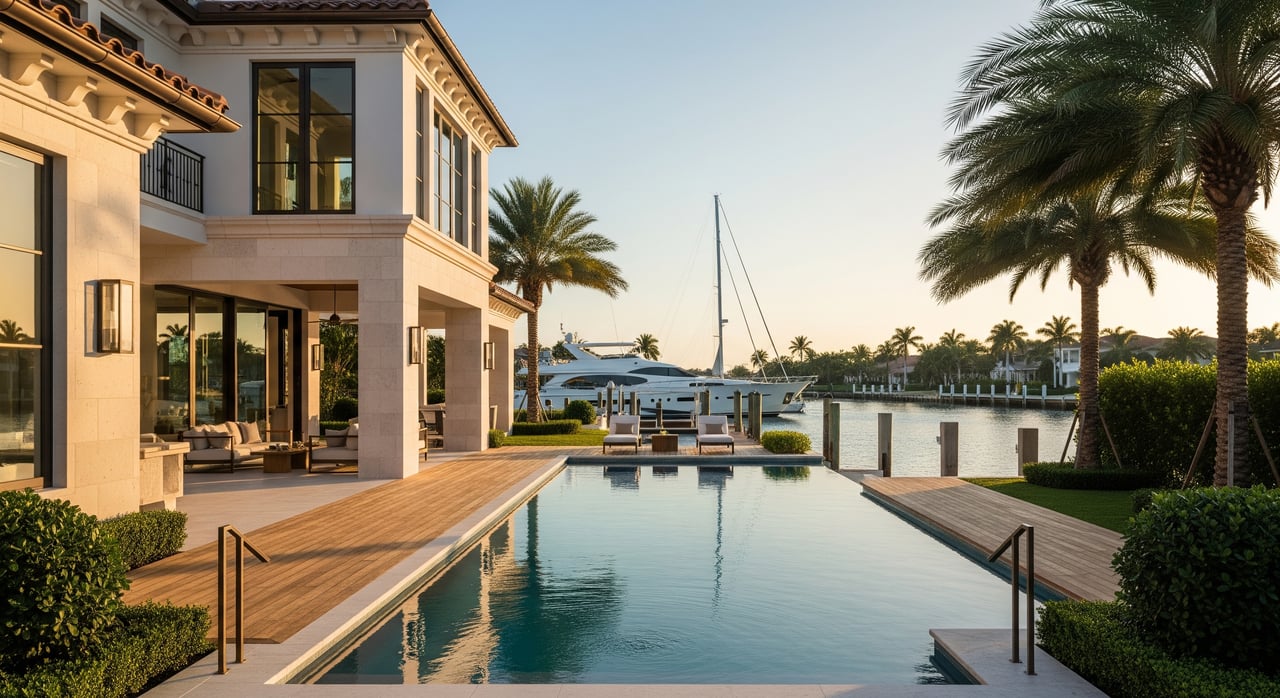
Not all water is equal. Oceanfront, direct Intracoastal, canal-front, and lakefront each appeal to different buyers and carry different premiums. Properties with private, deep-water dockage and no fixed bridges attract yacht owners and command a distinct price lift. Ongoing costs also matter. Seawall upkeep, dock maintenance, dredging, and permitting needs influence a buyer’s willingness to pay.
Locally, demand clusters around direct boating access and unobstructed water views. If a dock’s depth at mean low tide and bridge clearances support larger vessels, expect stronger interest from high-net-worth boaters.
View quality is a major value driver. East-facing views over the Intracoastal or toward the ocean often achieve top pricing. But longevity of that view is just as important as today’s sightline. Future development on nearby parcels can block vistas or add density if height limits allow. Evaluating current codes, permitted heights, and lot spacing helps you judge whether a prized view is protected or at risk.
West Palm Beach includes several micro-markets, each with its own draw. Downtown and island-adjacent areas benefit from walkability to Rosemary Square, the Kravis Center, the Norton Museum, and the waterfront. Proximity to the Brightline station and Palm Beach International Airport is a strong plus for seasonal and business-focused buyers. Mainland neighborhoods along the Intracoastal and historic districts have distinct profiles and pricing patterns. Your best strategy is to match neighborhood character with your use case: primary home, seasonal residence, or investment.
Amenity tiers set expectations and price-per-square-foot. Full-service buildings with 24/7 concierge, valet, private dining, and spa-level fitness deliver a turnkey lifestyle and attract buyers who prioritize service. That service comes with higher monthly dues, which some buyers accept for convenience. Single-family estates align with a different set of amenities, including private clubs, marina access, and gated services, which also contribute to value.
Scarcity is real, especially for trophy waterfront estates and large parcels. New luxury condominium towers can reset amenity standards and finish quality, which affects how older resale units compete. If you are evaluating a condo, compare not just floor plans and finishes, but also the building’s service level and reserve health against the latest new builds.
Branded luxury condos and waterfront projects introduce fresh inventory that can reframe pricing and comps. Watch pre-sale absorption, developer incentives, and construction timelines. If delayed inventory hits the market in batches, it can soften prices in a narrow band until the market absorbs it. Checking local planning and permit activity helps you anticipate supply before it arrives.
Condos price off amenity packages, HOA or COA dues, reserve strength, and management quality. Special assessments and capital projects directly influence buyer demand and resale value. Single-family estates value privacy, lot size, landscaping, dock and seawall condition, and architectural pedigree. Track months of inventory, days on market, and list-to-sale ratios by product type and price band to understand where power sits.
High-profile architects, premium materials, tall ceiling heights, private elevator foyers, and tailored features like car galleries or advanced home automation generate higher price-per-square-foot. Older luxury homes or condos that have not been updated trade at a discount to newer or fully renovated peers.
Flood zones, elevation, and wind exposure affect insurability, mortgage terms, and long-term demand. Confirm FEMA flood zone designations and consider storm-surge exposure. Insurance availability and premiums are central to carrying costs and buyer pool depth. Local resiliency efforts, such as seawall upgrades and drainage projects, can influence future value.
Florida’s lack of state income tax is a demand driver for many high-net-worth buyers. Property tax levels and non-homestead assessment rules still matter for carrying costs. Some buyers use corporate or international ownership structures. Consult your advisors early so title and transfer steps do not slow a deal.
Local zoning, historic district rules, and coastal permitting for seawalls and docks shape what you can change or build and at what cost. On the coast, you often need approvals from multiple agencies. For value-add strategies, factor in the timeline and feasibility of upgrades before you bid.
This market is seasonal. High-end demand tends to concentrate in peak months, and ultra-luxury listings often need longer marketing windows. If you are selling, timing can influence your pricing power and days on market.
You deserve guidance that blends market intelligence with lifestyle insight. As a couple-led, concierge team with a record of seven- and eight-figure closings, we help you interpret West Palm Beach’s signals at the parcel level. We pair data-backed pricing with curated experiences, from waterfront tours to introductions at marinas and cultural spots. With targeted distribution through our brokerage platform, we position sellers for premium outcomes and help buyers secure the right asset with clarity and speed.
Ready to evaluate a property or time your sale? Schedule a private consultation with John Wilson.
Stay up to date on the latest real estate trends.
Experience a bespoke real estate partnership where every detail is considered and every goal prioritized. Working with us means more than a transaction. It’s an elevated journey defined by discretion, expertise, and results tailored to you