Condo vs Townhome in West Palm Beach: Find Your Best Fit
January 1, 2026
January 1, 2026
Trying to decide between a sleek downtown condo and a waterfront-adjacent townhome in West Palm Beach? You are not alone. The right choice depends on how you want to live, what you expect from your HOA, and how you balance convenience with privacy. In this guide, you will learn the key differences in lifestyle, maintenance, fees, parking, amenities, rental rules, insurance, and financing so you can buy with confidence. Let’s dive in.
A condo gives you ownership of your individual unit and a shared interest in the building’s common areas. In downtown West Palm Beach, condos dominate mid- and high-rise buildings near dining, culture, and the Brightline station. You typically carry an HO-6 policy for interior coverage, while the association’s master policy covers common areas and the building envelope.
A townhome is an attached, multi-level residence with its own entrance and often a garage. Ownership comes in two forms locally: fee-simple (you own the structure and land, and the HOA covers limited common elements) or a condo-structured townhome where the association handles exteriors similar to a condo. Do not assume responsibilities from looks alone. Always confirm the legal structure and the association’s responsibility matrix in the declaration and bylaws.
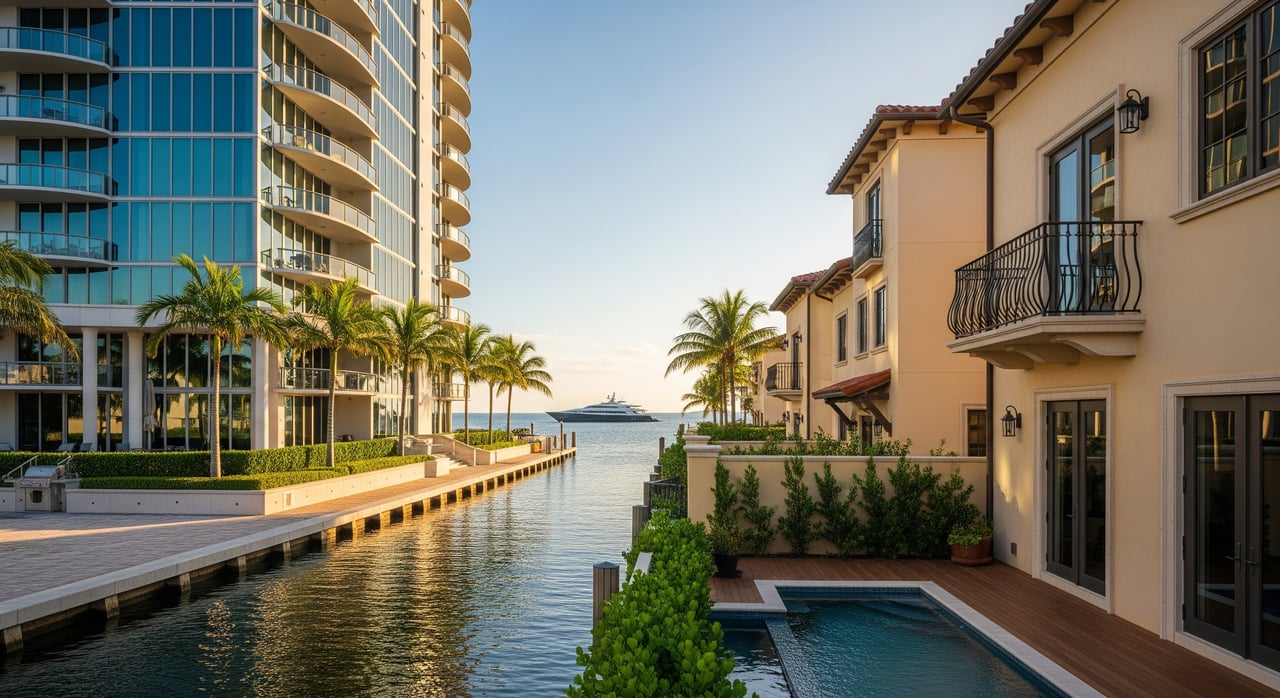
A condo places you steps from restaurants, shops, arts venues, and the Brightline. You get a higher-density, vertical lifestyle with strong walkability and on-site services that make seasonal lock-and-leave living easy. You will share walls, elevators, and corridors, so noise and privacy depend on construction quality and building management.
A townhome often feels more house-like. You gain a private entrance, attached garage, and usually a patio or small outdoor area. Many sit in residential pockets near the water or just outside the urban core, which can mean a quieter street feel with a bit less walkability. You still follow HOA rules, and attached neighbors are common.
Condo associations commonly cover exterior maintenance, building insurance, landscaping, elevators, common utilities, security, and amenity upkeep. That convenience can translate to higher dues in waterfront or high-amenity buildings. Pay close attention to reserve studies, budgets, and any history of special assessments, especially in older buildings that may be planning structural or hurricane-hardening work.
Fee-simple townhomes often put the roof, exterior, and sometimes the driveway on the owner, while the HOA maintains landscaping, roads, and shared amenities. Some townhome communities operate under a condo regime that covers exterior care more like a condo. Waterfront complexes may manage docks, marinas, or seawalls, which can carry large assessment potential. Request the latest financials and meeting minutes to understand upcoming projects.
Downtown condos typically offer assigned garage parking. Some luxury buildings provide valet and have clear guest parking rules. Street parking nearby is often metered, so confirm the number of deeded spaces and any separate parking fees before you buy.
Townhomes usually include one or two private garage bays and driveways, which can be a plus for multiple vehicles or recreational gear. Visitor parking varies by HOA. Waterfront townhomes can restrict certain watercraft storage, so check rules if you plan to keep kayaks or similar items on site.
Condos near downtown and the water often deliver robust amenities like pools, fitness centers, concierge, security, social rooms, and storage. Some waterfront towers offer docks or slips. Amenity quality and staffing are major fee drivers, so balance your wish list with your budget.
Townhome communities tend to have fewer shared facilities, though many include a pool or small fitness room. Select waterfront townhome developments may feature docks or a marina program. Seasonal buyers often value on-site management and security for peace of mind when away.
Two sets of rules shape rental potential: municipal short-term rental regulations and association leasing restrictions. In Palm Beach County, rules can change by municipality and by neighborhood. Many associations set minimum lease terms, rental caps, or approval requirements, and some impose a waiting period after purchase. Verify current city rules with the City of West Palm Beach, then confirm the association’s policies in writing before counting on rental income.
Financing can also hinge on project eligibility. Many lenders review condo buildings for reserve levels, investor concentration, and other factors. If a building is not eligible under conventional guidelines, you may face higher down payments or rates. For reference on project standards, review Fannie Mae’s condo project guidance and Freddie Mac’s project eligibility information. Townhomes that are fee-simple often finance like single-family homes, while condo-structured townhomes follow condo rules.
Coastal South Florida faces storm and flood exposure, and parts of West Palm Beach sit in FEMA flood zones. Identify the property’s flood zone and elevation early using the FEMA Flood Map Service Center. Waterfront townhomes and low-lying condos may require flood insurance, with premiums tied to zone, elevation, and program eligibility.
Wind and hurricane coverage is a major factor. Florida’s insurance market has seen rising costs and changing availability, with Citizens Property Insurance serving as an insurer of last resort for some owners. Review an association’s master policy limits, deductibles for wind events, and any recent or planned premium changes. High deductibles can lead to special assessments after a storm. For statewide market oversight and context, consult the Florida Office of Insurance Regulation.
Condos can offer a larger buyer pool in the urban core, with strong appeal for walkability and services. The flip side is more variability in HOA constraints, investor ratios, and reserve health, all of which affect financing. Townhomes market well to buyers seeking garage parking, storage, and private outdoor space, especially near the water. If a townhome is fee-simple, you may face fewer project-level lending hurdles compared with condos.
If you want a walkable, service-rich lifestyle and easy lock-and-leave living, a condo downtown can be a great fit. If you value a private entrance, a garage, and some personal outdoor space near the water, a townhome may serve you better. The best path is a side-by-side comparison of specific buildings or communities with a close look at reserves, insurance, and rental rules.
You deserve a tailored plan. Schedule a private tour of your top options and a document review to compare fees, reserves, insurance, and rental policies. For a discreet, concierge experience that aligns lifestyle with the right property, connect with John Wilson.
Stay up to date on the latest real estate trends.

Experience a bespoke real estate partnership where every detail is considered and every goal prioritized. Working with us means more than a transaction. It’s an elevated journey defined by discretion, expertise, and results tailored to you